Organic Stimulation Hair Tea
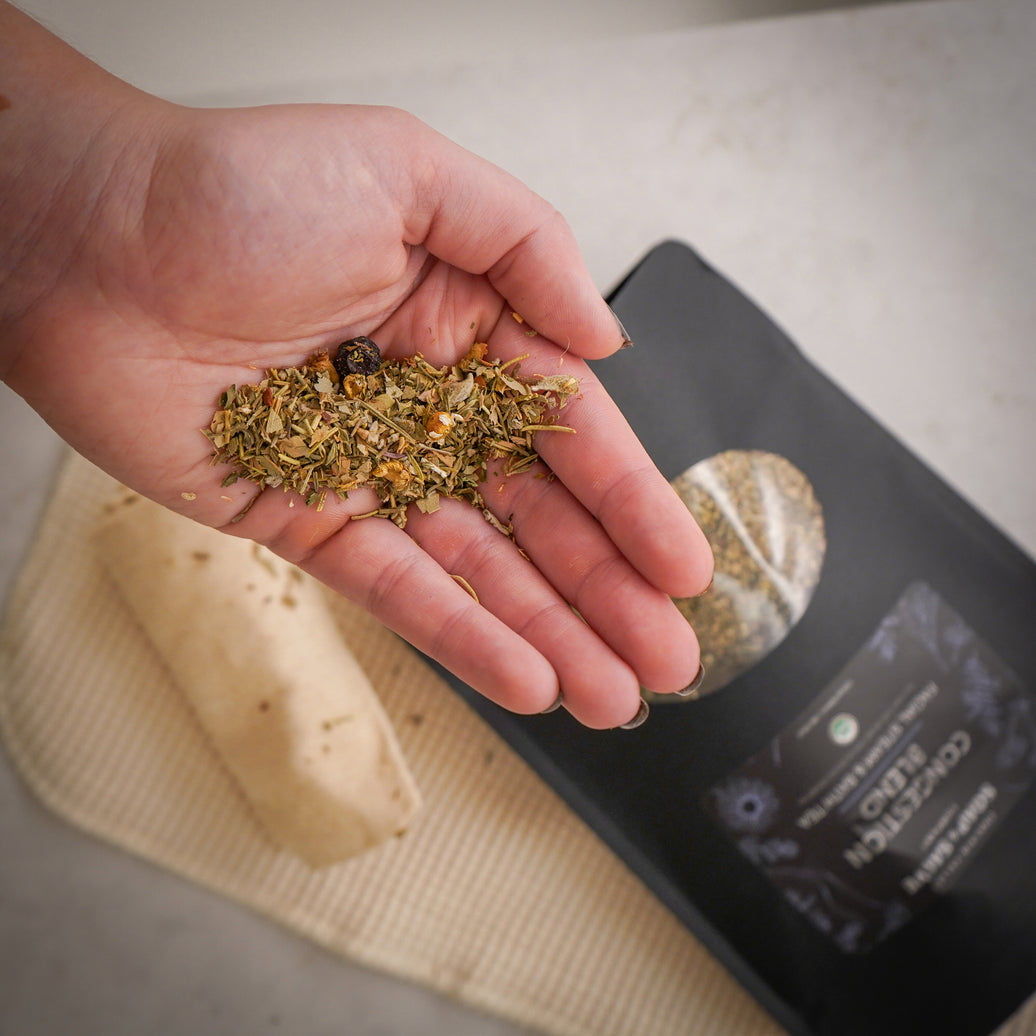
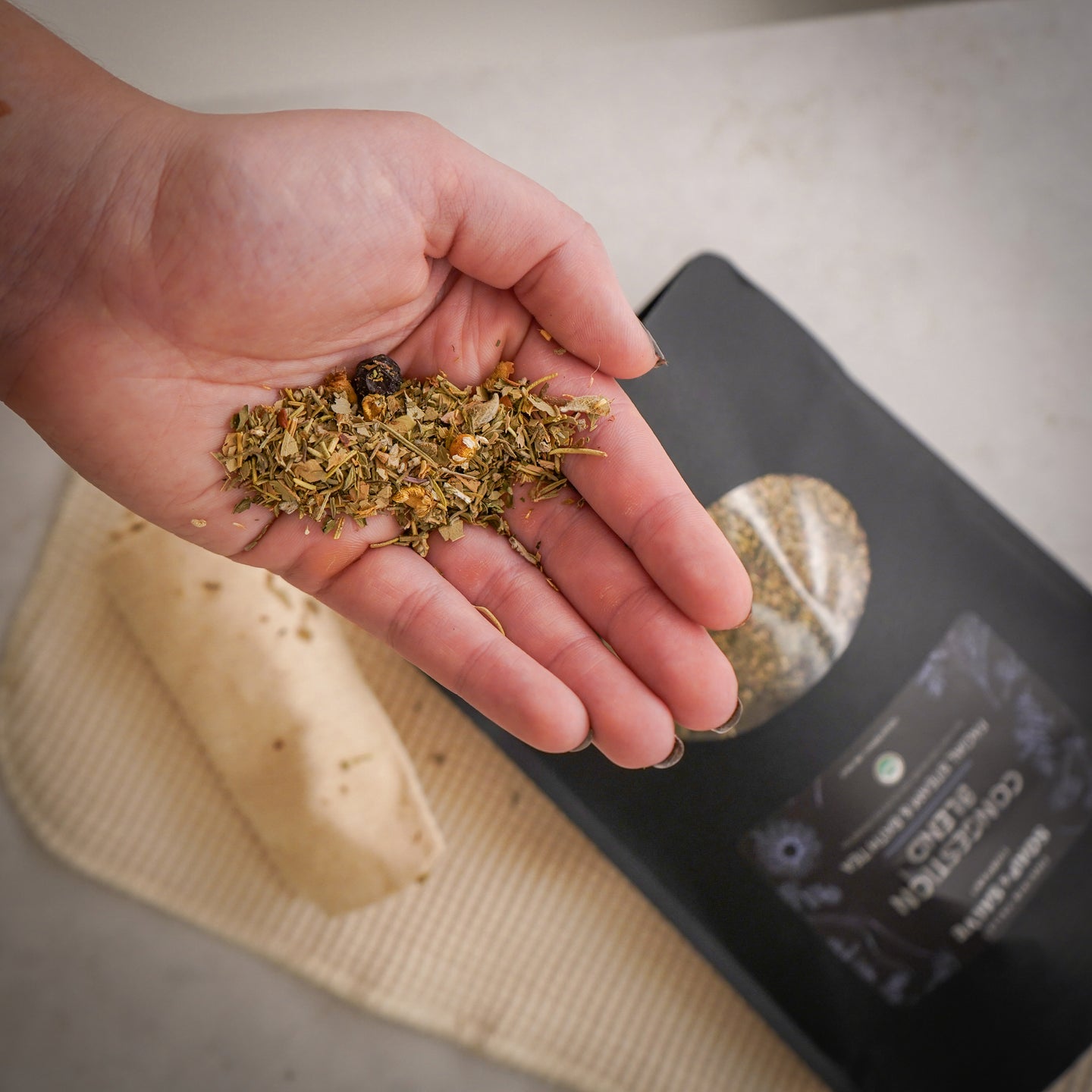
Bath Tea In Hand

Té: Mezcla estimulante para el cabello

Un enjuague capilar a base de hierbas orgánicas formulado con un enfoque holístico para la estimulación del cuero cabelludo que puede ayudar con el exceso de caída y pérdida del cabello.

Título:
$11.75
organic
vegan
cruelty-free
non-gmo
9-month-shelf-life
made-in-the-usa
Product Overview

Drench your hair with the power of plants in this organic botanical hair rinse designed to refresh the scalp and support healthy-looking hair from the root.

For generations, herbal infusions have been used to care for the scalp—the living foundation of healthy hair. When the scalp feels balanced and refreshed, hair often appears fuller, stronger, and more vibrant.

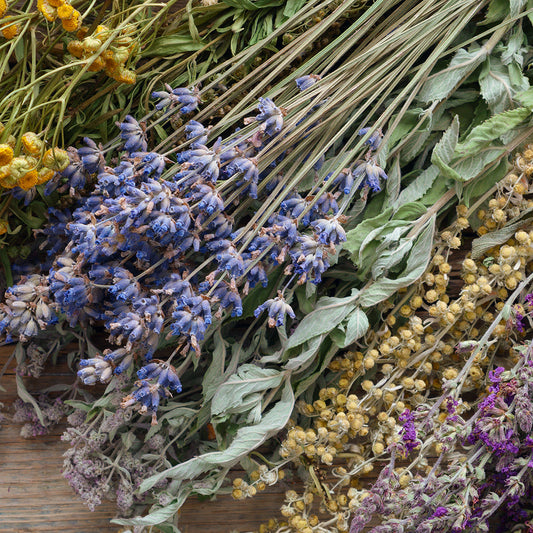
Our invigorating Stimulation Blend is made with a blend of organic roots, leaves, and flowers traditionally used to awaken the scalp and bring a sense of renewed energy to the hair.

What Makes This Blend Unique

When brewed as a tea and used as a rinse, the warm infusion creates a refreshing, enlivening experience — a simple ritual for those moments when your scalp feels dull, sluggish, or in need of a little extra attention.

  • Helps refresh and energize the scalp
  • Supports a healthy environment for stronger-feeling hair
  • Enhances natural body, shine, and manageability
  • Ideal for hair that feels dull, stressed, or prone to excess shedding
  • Provides an invigorating, freshly cleansed sensation for those with an oily scalp
The Herbs Behind the Blend
  • Basil is a classic herb in traditional hair rituals, valued for the way it helps the scalp feel stimulated and refreshed.
  • Fenugreek adds a silky slip and has been used for centuries to soothe the scalp irritation and create a more favorable environment for healthy hair growth.
  • Green Tea, rich in naturally occurring antioxidants, has long been used in hair care for its ability to refresh, clarify, and calm the scalp.
  • Nettle is traditionally used to help clarify, refresh, and awaken the scalp, especially when excess oil or buildup is present.
  • Peppermint provides a cooling, tingling sensation that helps the scalp feel invigorated.
  • Rosemary, a classic hair herb, that helps energize the scalp while adding shine and luster to the hair.
  • Thyme helps gently cleanse and refresh the scalp.
  • Lavender adds a calming element, both for the scalp and the overall experience.
  • Horsetail (shavegrass) is rich in silica and has a long history of use in hair care for promoting shine and stronger-feeling hair.
  • Hops are known in herbal traditions for their toning, invigorating qualities.
A Simple, Natural Approach

This rinse is not a treatment—it’s a gentle, supportive way to care for a scalp that may feel sluggish, stressed, or out of balance. Used regularly, it can help maintain a refreshed, comfortable scalp environment where hair can flourish.

One bag contains about 1 cup of tea — enough for 4 to 8 rinses. A reusable cotton muslin bag is included.

Where a refreshed scalp meets stronger-looking hair.

How To Use

Basic Herbal Tea Hair Rinse Recipe

Prepare the Tea
  • Boil 2 cups of water
  • Place 3 to 4 tablespoons of hair tea into a muslin bag or cheesecloth and secure tightly
  • Turn off the heat and allow the herbs to steep for at least 30 minutes to an hour
  • Allow the tea to cool
  • Give the bag a final squeeze to capture all of the botanical essence
  • If bits of herbs escaped the bag, strain the tea
  • Pour the cooled tea into a clean spray bottle, plastic squeeze bottle, or another container

When your infusion is complete, toss the contents of the tea bag into the garden or compost. Rinse the bag and allow it to dry.

How To Use 

Massage gently into the scalp and hair, leave on for a few minutes, then rinse lightly or leave in, depending on your preference.

Because every hair type is different, you may need to experiment with strength and frequency to find what works best for you.

🌱 For more detailed instructions, visit How To Use Chagrin Valley Hair Tea Rinses

Tips:
  • Always make and store herbal hair preparations in nonreactive containers.
  • Refrigerate leftover hair tea for 7 -10 days in a clean airtight container. 
  • For external use only!
FAQs

Overall rating: 4.857143 / 5 from 21 reviews.

AI Generated Review Summary

Summary topics

Review topics: ["ingredients","looks","hair","bar","rinse","tea","herb"].

Review highlights

Reviews

Love this stuff

"The smell of the tea is so pleasant. It does frizz my curly hair a bit and it feels squeaky clean after the rinse which makes it feel a little too dry. However, it leaves my hair very shiny which I absolutely love. To cut the dryness, I follow up with the coconut primrose balm or one the whipped hair balms."

Danielle A. (5/5)

Slightly conditions but creates frizz

"I read some reviews that folks felt the rinse made their hair dryer. As someone with incredibly dry hair, I still wanted to try. I take a spray bottle to my roots and then I will pour a bit directly onto my scalp. I actually found it made my hair softer after using the Olive & Babassu shampoo bar. I haven't been using it long enough to see instant results, and it does activate my frizz a little more. But I am not facing as much hair fallout pairing this product, the shampoo bar, and the Jojoba Grapeseed Oil. Your hair will smell like tea if your hair holds odors."

Stephanie W. (4/5)

Great stuff

"It made my hair a little drier than normal after using. I love the ingredients and benefits of this product. I used with a heat cap, another time as a prepoo treatment, and as a leave in treatment. So many ways to reap the steep!"

Cathy (4/5)

"Amazing product. I boil it and add it to my magnesium salt bath and just massage my scalp in the water. Hair feels better than ever! And it's organic! I will be a fequent buyer 👍🏽"

Patricia (5/5)

Great Ingredients!

"Even before trying I bought two bags. The ingredients are everything! And after using it. . . . No regrets at all for doing so. I use after shampooing and allow it to sit with my conditioner and then rinse out. I only use 15 g with two cups of distilled water and allow it to infuse for about an hour."

Oso (5/5)

"Love it"

Tara (5/5)

Who needs conditioner with this stuff?

"I tell all my friends about this hair tea. It saved my hair! It now grows faster and looks so much healthier! No more split ends too! I just make enough for the week and put in my hair every few days! This paired with the nettle bar goes so well together!"

Kennedy H. (5/5)

Incredible

"It works! My hair became incredibly soft and I noticed new growth."

EZ (5/5)

This tea will change your life.

"At 63 I have the best hair of my life. My stylist says its stronger and she keeps asking for all the details. I use it every time. My hair has always been fine and thin but it doesn't even look the same."

Lisa (5/5)

"I add hibiscus to it but I like it enough to reorder. Very good herbs for scalp health."

Dominique (5/5)

Q&A

How many ounces are in a bag?
Hi Brooke, Thanks so much for reaching out! The stimulation blend bag has around 1 cup of tea which is enough for about 4-8 rinses. I hope this helps! Let us know if you have any other questions and have a great day! -Christina, Chagrin Valley
Hi I was wondering if you could use herbal tea rinse for hair stimulation in a spray bottle?
Hi Crystal, Thanks for reaching out! Yes, many customer have used the strained, steeped tea in a spray bottle! I hope this helps:) Please let us know if you have any other questions or concerns and have a great day! -Christina, Chagrin Valley
I was wondering if you could you the herbal hair rinse in the tub as both a hair and body soak ?
Hi Kristina, Thanks for your email! Yes, you can use the hair tea as a body soak in the bath as well! All the herbs included in the blends are safe for skin and hair. Hope this helps! Thanks again for reaching out and please contact us anytime with additional questions or concerns! -Christina, Chagrin Valley
Will the herbs turn my silver hair yellow?
Hi There, Thanks for your question! The Stimulation Blend Hair tea will not turn your silver hair yellow! None of the ingredients in our teas can change your hair color. If you are concerned, you can always try the tea on a test strip of hair just to be sure! Hope this helps! Thanks again for reaching out and please contact us anytime with additional questions or concerns! -Christina, Chagrin Valley
What herbs and oil do you use in this blend?
Hi There, Thanks for your question! The ingredients in our Stimulation Blend hair tea are Organic Basil, Organic Fenugreek, Organic Nettle, Organic Rosemary, Organic Horsetail, Organic Peppermint, Organic Lavender, and Organic Hops. You can always find a full listing of the ingredients in each product on our website. Hope this helps! Thanks again for reaching out and please contact us anytime with additional questions or concerns! -Christina, Chagrin Valley

Preguntas frecuentes

¿Los ingredientes y productos de Chagrin Valley están certificados como orgánicos por el USDA?

Chagrin Valley Soap & Salve es una empresa orgánica certificada por el USDA

Cuidado de la piel orgánico certificado

La consideración más importante en cualquier negocio son sus clientes. El mundo actual, plagado de afirmaciones engañosas, publicidad engañosa y simple engaño, a menudo deja a los consumidores intentando descubrir la verdad sobre los productos personales y sus ingredientes.

  • Queremos que nuestros clientes sepan que estamos comprometidos con la transparencia en todo lo que hacemos.
  • Queremos que nuestros clientes sepan que cuando decimos “ orgánico”, lo decimos en serio.
  • Creemos que al convertirnos en una empresa orgánica certificada por el USDA, nuestros clientes no tienen que preguntarse si realmente utilizamos ingredientes orgánicos certificados o si nuestros productos orgánicos son verdaderamente orgánicos.
  • Por eso elegimos ser una empresa orgánica certificada y cumplir con los estrictos estándares requeridos para la certificación orgánica.

Algunos de mis productos favoritos están elaborados con ingredientes que simplemente no cuentan con certificación orgánica. ¿Por qué? Actualmente no existen estándares para los ingredientes utilizados específicamente en la industria de productos de cuidado personal. La certificación orgánica de productos de cuidado personal se basa en los estándares de alimentos orgánicos establecidos por el Programa Nacional Orgánico del USDA.

Pero como somos una empresa orgánica certificada, estamos obligados a presentar documentación que acredite que incluso nuestros "ingredientes no orgánicos" se produjeron sin el uso de pesticidas tóxicos, organismos genéticamente modificados (OGM), lodos de depuradora o irradiación.

Ver blogs relacionados sobre el cuidado natural de la piel

¿Por qué nos convertimos en una empresa orgánica certificada?

¿Qué significan todas las etiquetas orgánicas?

Etiquetado de jabón orgánico


View Answer Page
¿Qué es una barra de champú natural?

¡Las barras de champú son uno de nuestros descubrimientos favoritos!

La bondad saludable de nuestro jabón artesanal está disponible para tu cabello.

Las barras de champú son un champú acondicionador totalmente natural en formato sólido. Sí, es champú de verdad en una barra sólida. Las barras de champú no son una novedad.

Se usaban comúnmente antes de que se inventaran los champús y acondicionadores detergentes líquidos en la década de 1940.

Aunque el proceso para hacer una barra de champú es el mismo que para hacer jabón, nuestras "recetas" de barras de champú están especialmente formuladas con aceites vegetales naturales, mantecas, ingredientes botánicos y aceites esenciales que nutren el cabello y el cuero cabelludo.

Nuestras barras de champú no contienen fragancias artificiales, colorantes, conservantes, detergentes, alcohol, urea, formaldehído, lauril sulfato de sodio, DEA, propilenglicol ni ningún otro aditivo sintético para el cuidado del cabello.

Cada una de nuestras selecciones de champú sólido contiene una mezcla diferente de aceites vegetales naturales, aceites esenciales y aceites con infusión de hierbas. No hay dos recetas iguales.

¿Qué barra de champú es mejor para mi cabello?

¡Haga clic aquí para obtener ayuda para elegir una barra de champú totalmente natural!

¡Todo lo que quieres saber sobre las barras de champú!

¡Por favor lea "Todo sobre las barras de champú"!


View Answer Page
La técnica de lavado con champú de Ida para cabello largo

La técnica de lavado con champú de Ida para cabello largo

Los hombres y mujeres con cabello corto rara vez tienen problemas de adaptación al champú natural en barra. Sin embargo, quienes tienen cabello largo podrían tener que cambiar su técnica de lavado al cambiar de champú líquido comercial o champú sintético en barra a champú natural en barra.

Hemos descubierto que las personas con cabello largo a menudo sienten la necesidad de usar demasiado champú. Además, es más difícil enjuagar el champú de todos los rincones del cabello largo. Como resultado, quedan residuos de jabón en el cabello que lo hacen sentir pegajoso.

He descubierto que muchas veces la técnica adecuada marca la diferencia.

Técnica de barra de champú natural para cabello largo Tengo el pelo largo y fino. A continuación, mi técnica para usar una pastilla de champú.

  • Mojarme bien el cabello
  • Atar mi cabello largo en una cola de caballo suelta
  • Moja la barra de champú natural y frótala solo en la parte superior de mi cabeza con movimientos de adelante hacia atrás hasta que haya cubierto toda el área del cuero cabelludo (¡Frotar cualquier champú vigorosamente en todas las direcciones causa muchos enredos!)
  • Masajea todo mi cuero cabelludo (solo el cuero cabelludo) con un movimiento de peinado para distribuir la espuma por mi cabello.
  • No froto la barra ni hago espuma a lo largo del cabello.
  • Me saco la cola de caballo y me enjuago dejando que el champú gotee a lo largo de mi cabello (he descubierto que este enjuague es suficiente para limpiar todo el largo de mi cabello)
  • Enjuagar, enjuagar, enjuagar durante AL MENOS un minuto mientras froto mis dedos por mi cabello para asegurarme de que todo el champú se enjuague.
  • Aprieto suavemente el largo para retirar el exceso de agua y cubro con una toalla mientras me seco.
  • No froto la toalla sobre mi cabello mojado porque causa enredos desagradables.
  • Utilice un peine de dientes anchos y peine suavemente de abajo hacia arriba.

¡Seca y peina tu cabello como de costumbre!


View Answer Page
¿Qué significan los diferentes símbolos orgánicos?

Utilizamos dos símbolos orgánicos diferentes en nuestro sitio web.

¡Cada símbolo tiene una definición única!

Etiquetas orgánicas

El etiquetado de "certificado orgánico" fue desarrollado por el USDA y se refiere a las afirmaciones y al etiquetado de productos orgánicos en alimentos y productos de cuidado personal en Estados Unidos. El USDA tiene directrices muy estrictas sobre el porcentaje de ingredientes orgánicos necesario para obtener la certificación. Otros países tienen sus propios procedimientos, requisitos y estándares de certificación. Los criterios de etiquetado y los ingredientes permitidos difieren de los de EE. UU.

Logotipo de cuidado de la piel orgánico certificado por el USDA La etiqueta del logotipo orgánico del USDA se puede utilizar en productos que cumplen con los estándares de los dos primeros niveles del sistema de etiquetado orgánico en el que entre el 95 y el 100 % de los ingredientes están certificados como orgánicos.

¡La mayoría de nuestros productos sin jabón entran en esta categoría y muestran el logotipo del USDA!

OEFFA es una agencia de certificación orgánica acreditada por el USDA En nuestra empresa utilizamos el sello de producto orgánico certificado por OEFFA por dos motivos...

Jabones y champús: Estos productos contienen al menos un 8% de hidróxido de sodio debido al proceso de elaboración . Nuestro jabón "orgánico" contiene entre un 87% y un 92% de ingredientes orgánicos, pero el estándar del USDA establece que un producto debe estar elaborado con un 95%-100% de ingredientes orgánicos para ostentar el sello de "Certificación Orgánica del USDA" (ver arriba). Tampoco se nos permite usar la palabra "jabón orgánico" en la etiqueta.

Ingredientes recolectados de forma silvestre: cuando se utiliza cualquier ingrediente agrícola (cualquier ingrediente que tenga un origen biológico) que no esté certificado como orgánico, se aplican las mismas reglas de etiquetado que usamos para el jabón.

Las normas del USDA para el etiquetado adecuado establecen que los productos pueden llevar el logotipo del agente certificador, pero no el logotipo orgánico del USDA. Nuestra agencia certificadora del USDA es la OEFFA (Asociación de Alimentos y Granjas Ecológicas de Ohio) . Su logotipo aparece en nuestros jabones y champús "orgánicos".

¿Por qué algunas empresas de jabón usan la palabra "orgánico" en sus etiquetas, aunque sea ilegal? ¡Haga clic aquí para leer más sobre las normas para el etiquetado orgánico de jabones!

Etiquetas no oficiales

En ocasiones, utilizamos un símbolo no oficial para productos elaborados con ingredientes "naturales" que no cumplen con los criterios de ninguna de las etiquetas mencionadas anteriormente. Es posible que vea este tipo de símbolo en productos como los jabones para pies de arcilla negra del Mar Muerto, carbón de bambú y lufa pómez, y nuestras barras de champú de barro y arcilla y carbón con romero y menta.

La certificación orgánica se basa en estándares de agricultura y ganadería orgánica. Por lo tanto, la lista de ingredientes no agrícolas permitidos (como arcilla, sal, lodo, etc.) se basa en las materias primas utilizadas en la agricultura o la producción de alimentos. Lamentablemente, ingredientes como algunas arcillas, piedra pómez, lodo del Mar Muerto y carbón de bambú no se utilizan en la agricultura ni en la producción de alimentos y, por lo tanto, no aparecen en la lista.

Aunque parezca larga, esta es en realidad una descripción muy breve. Para obtener información más detallada, lea " ¿Qué significan todas las etiquetas orgánicas? ".


View Answer Page

Productos vistos recientemente