
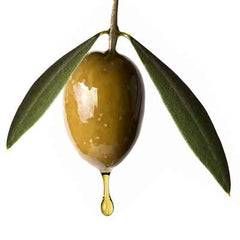
Olive Squalane
Lightweight Hydration for Soft, Supple Skin
Squalene, "Squalane," the stabilized form of squalene, was first identified in shark liver oil in the early 20th century. Decades later, researchers discovered that squalene is also a key component of human sebum—the oil that keeps our skin soft, supple, and protected.
Squalene initially makes up about 10–15% of total sebum lipids in healthy young adults. Production peaks during the teen years and early adulthood, then begins to decline significantly after age 30, dropping to around 5% by age 50. As levels fall, skin becomes drier and less supple.
Our Olive Squalane is 100% plant-derived from sustainable olives—a cruelty-free, vegan alternative to animal sources. Because its structure closely resembles the lipids in our own skin, olive squalane absorbs effortlessly, leaving a smooth, silky, non-greasy finish.
Lightweight yet deeply moisturizing, it replenishes lost hydration, smooths texture, and enhances radiance. Its natural biocompatibility makes it ideal for even the most sensitive or reactive complexions. Used in our best-selling Face & Eye Mousse, olive squalane delivers that signature velvety, cushiony softness customers rave about.
Olive squalane helps reduce the appearance of fine lines, supports elasticity, and soothes dry or depleted skin. Its ability to lock in lightweight moisture makes it a perfect choice for facial and eye care, where comfort, smoothness, and fast absorption are key.
In addition to its skin benefits, squalane helps condition and soften hair, reducing frizz and dryness while enhancing shine. Naturally antioxidant-rich, it helps protect skin and hair from environmental stressors, making it one of nature’s most versatile, elegant emollients.
With its luxurious texture and unparalleled compatibility with the skin, olive squalane is a true hero ingredient—and the secret behind the silky, radiant finish of our Face & Eye Mousse.
Squalene vs Squalane
Squalene (with an “e”) is a polyunsaturated oil found naturally in many plants—including olives, rice bran, wheat germ, amaranth, sugarcane, and palm—as well as in human sebum. Our skin produces squalene as part of its protective lipid layer, helping keep skin soft, lubricated, and comfortable. It is also found in large amounts in shark liver (squalene from sharks has been banned in the European Union since 2009).
The challenge with squalene is that it is highly unstable. Exposure to oxygen causes it to oxidize rapidly, turn rancid, and spoil—making it unsuitable for use in cosmetic formulations.
In order to make squalene more stable, it is combined with hydrogen. This hydrogenation process converts the polyunsaturated squalene into a stable, saturated oil known as squalane (with an “a”).
Hydrogenation, which does not alter the ingredient’s beneficial properties, prevents oxidation and increases the shelf life. Some Squalane is also found naturally in plants and human sebum, but in very small amounts.
Buyer Beware: Because hydrogenation is required to produce squalane, it cannot legally be certified organic under USDA rules. If a company claims to sell “organic squalane,” it is wise to request their USDA organic certificate for that specific ingredient—something they will not be able to provide.
