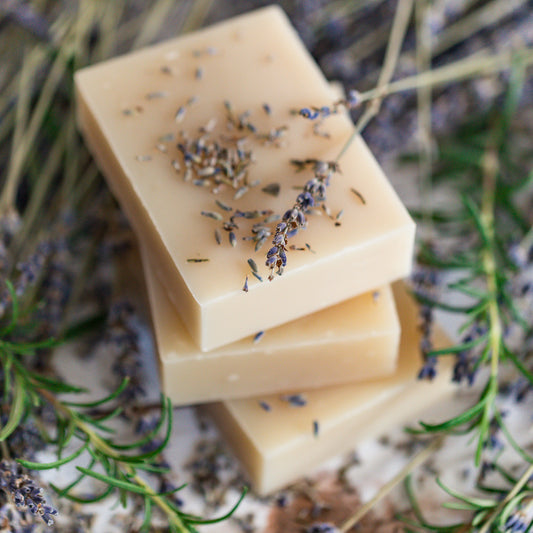
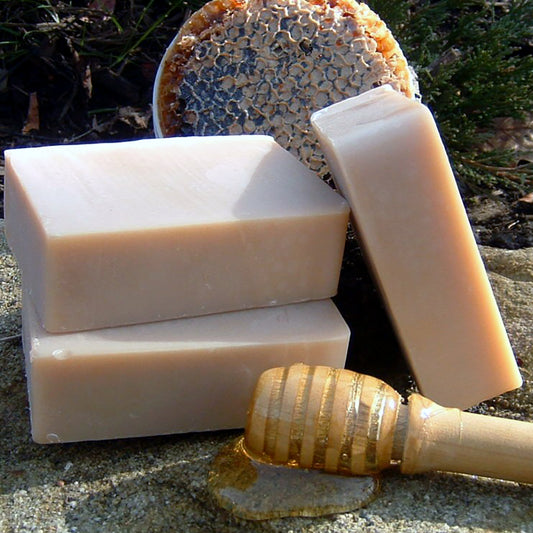
While the process of making a shampoo bar is the same as soap, shampoo bar "recipes" use different proportions of oils as well as herbs and essential oils known for their hair care benefits.
Many believe that antibacterial products are more effective at preventing the spread of germs than plain soap. However, data suggests that antibacterial ingredients may do more harm than good.
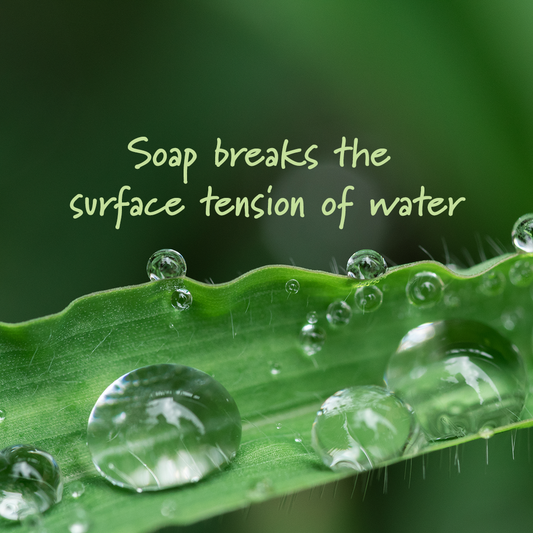
Soap cleans because it can mix with both water and with oil. When greasy dirt is mixed with soapy water, the oil tucked into the center of a tiny micelle cluster and then both are rinsed away.
While it’s true that you are going to pay more for a bar of natural soap, commercial soaps can actually cost you more . . . and in more ways than just money.
No one knows when soap was discovered, but there are various legends surrounding its beginning. According to Roman legend, soap was named after Mount Sapo, an ancient site of animal sacrifices.
A quality bar of handmade natural soap will often "sweat" in humid weather due to the high content of natural humectants like glycerin which readily absorbs moisture from its surroundings.