

Neem & Tea Tree Body & Hair Shampoo
$4.50 - $12.95
- Out Of Stock
Hair naturally grows and sheds in cycles. Each strand moves through stages of active growth, resting, and shedding, so losing some hair every day is completely normal. In fact, even people with healthy hair typically shed around 50–100 hairs daily as new strands grow in.

Sometimes, however, shedding or thinning becomes more noticeable. Genetics, hormonal changes, stress, illness, medications, nutrition, and overall health can all influence how hair grows and sheds. In most cases, these causes are beyond what hair care products alone can change.
What good hair care can do is help maintain a comfortable, healthy scalp and reduce dryness or breakage that can make thinning appear worse.
Gentle cleansing, nourishing ingredients, and careful hair habits help hair look fuller, feel stronger, and remain more manageable during periods of increased shedding.
This guide offers simple, non‑medical ways to care for hair that needs a little extra kindness.


Many people go through seasons when their hair feels thinner, sheds more than usual, or seems more fragile than it used to. Sometimes the scalp feels dry or easily irritated. Other times, the hair simply lacks fullness, feels delicate, or breaks easily during brushing or washing.
People describe this experience in many different ways:
If you ever notice sudden, dramatic, or patchy changes, checking in with a healthcare provider is always a good idea.
If hair feels thinner or more fragile, switching to a gentler shampoo can sometimes make a noticeable difference.
Commercial shampoos often contain detergents, synthetic fragrances, dyes, and preservatives that can feel too harsh for delicate hair or a sensitive scalp. These ingredients may leave the hair feeling dry, brittle, easily tangled, and more prone to breakage.
Hair that breaks easily can make thinning appear worse, even when follicles are still producing healthy strands.
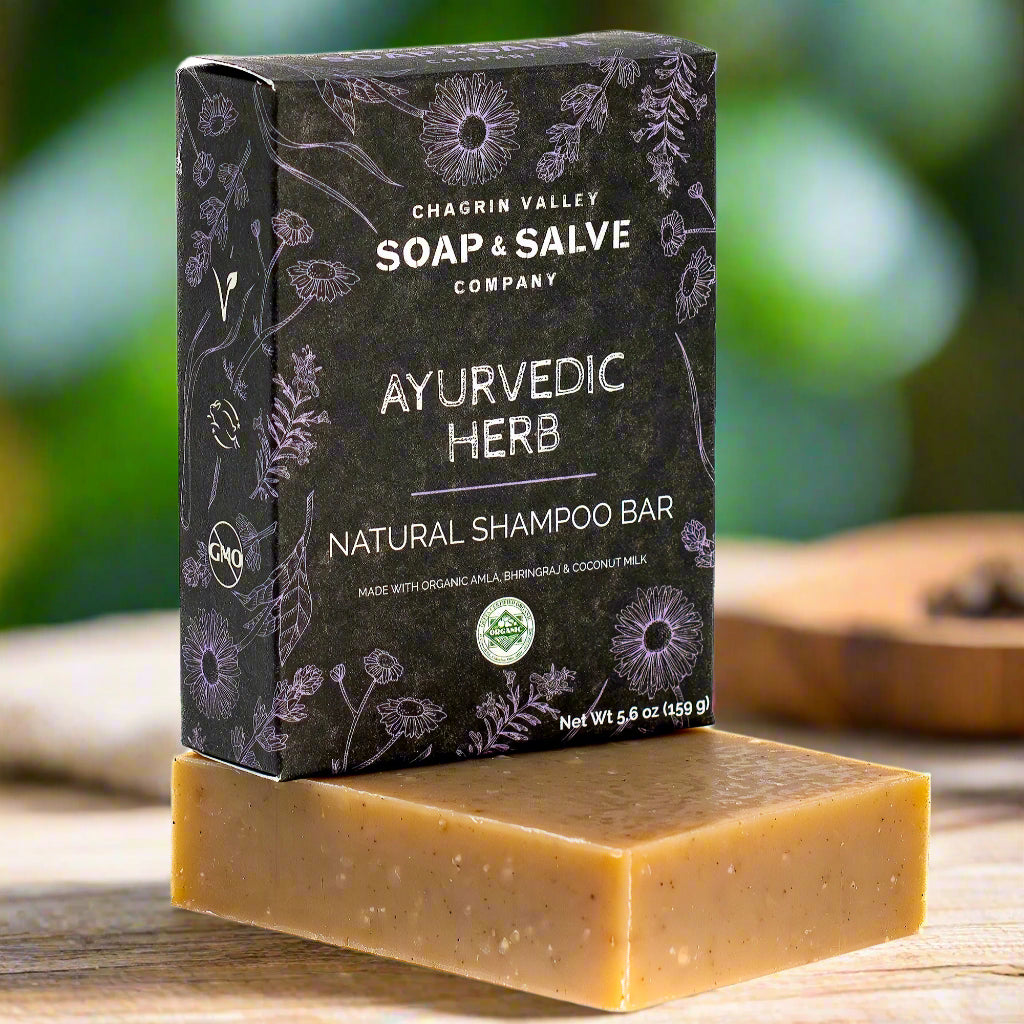
Our natural shampoo bars are crafted with organic oils, nourishing butters, and soothing botanicals that gently cleanse while leaving both hair and scalp feeling comfortable and balanced.
Many customers notice their hair feels softer, more manageable, and less prone to breakage after switching to gentler cleansing routines.
Apple cider vinegar rinses have long been used as a simple way to refresh the scalp and hair while helping remove product buildup that can leave hair feeling heavy or dull.

Many people find that an occasional rinse helps hair feel smoother, reduces tangles, and restores natural shine and bounce.
By helping clear away residue left behind by styling products or heavy conditioners, hair often feels lighter and easier to manage.
Our Organic Apple Cider Vinegar rinses are infused with certified organic herbs and essential oils traditionally used in hair care, creating a gentle rinse that leaves both scalp and hair feeling clean and refreshed.
Some customers also find that maintaining a clean, comfortable scalp supports healthier-looking hair during periods when shedding feels increased.
👉 Learn More: Apple Cider Vinegar Hair Rinse Benefits & How to Use Them
Herbal hair rinses have been used for generations as a gentle way to refresh the scalp and hair using botanical infusions traditionally associated with hair care.

Our Stimulation Blend Herbal Hair Tea Rinse combines carefully selected organic herbs and botanicals chosen to leave the scalp feeling refreshed and hair light, clean, and manageable. Many people enjoy incorporating herbal rinses into their routine as part of a holistic approach to scalp and hair care.
Customers often appreciate herbs such as basil, fenugreek, peppermint, and hops for the fresh, invigorating feeling they provide during use and the way hair feels afterward — clean, soft, and easier to manage.
A gentle scalp massage can be a relaxing way to care for your scalp while encouraging you to slow down and pay attention to how your hair and scalp feel.

An easy time to include a massage is in the shower while shampooing or conditioning. Spread your fingers and place your fingertips on the scalp, avoiding the use of fingernails, which can scratch or irritate the skin.
Using slow, gentle circular movements, massage different areas of the scalp to help distribute natural oils and keep the scalp feeling comfortable.
Some people like to incorporate additional products into their massage routine:
A gentle massage can be done as often as it feels comfortable, becoming a simple self-care ritual that supports overall scalp comfort.
When hair feels fragile or thinning, small changes in daily habits can help reduce stress on hair strands and keep hair looking fuller and healthier.
Go As Natural As Possible
Leave hair its natural color and texture. Choosing loose, soft hairstyles that don't pull is kinder to delicate strands. Tight hairstyles that cause constant tension can make delicate hair more prone to breakage.
Warm Water, Not Hot
Keep water temperature warm. Hot water can decrease natural hair and scalp oils, leaving both hair and scalp feeling dry, brittle, and prone to breakage
Limit Heated Styling Tools
Frequent use of heated styling tools can weaken hair strands, leading to dryness and breakage. Allowing hair to air dry when possible, or using lower heat settings, can help minimize stress on fragile hair.
Avoid Frequent Chemical Processing
Frequent bleaching, coloring, relaxing, or perming can weaken hair strands, leaving them dry and prone to breakage.
Brush and Comb Gently
Gentle brushing helps distribute natural scalp oils along the hair shaft, adding softness and shine. However, rough brushing — especially when hair is wet or tangled — can lead to breakage.
When detangling, start near the ends and slowly work upward in small sections to avoid pulling and snapping fragile strands. Very curly or coarse hair often benefits from finger detangling instead of brushing.
Because wet hair stretches easily and breaks more readily, using a wide-toothed comb and handling hair gently after washing can help reduce damage.
In Summary: Be Gentle With Your Hair
When hair feels fragile or thinning, the most helpful approach is often the simplest: treat both hair and scalp gently. Small, consistent changes in daily care often help hair feel softer, more manageable, and less prone to breakage over time. Things to avoid:
A gentle, natural routine can help your hair and scalp feel supported, nourished, and more comfortable — allowing your hair to look and feel its best day to day.
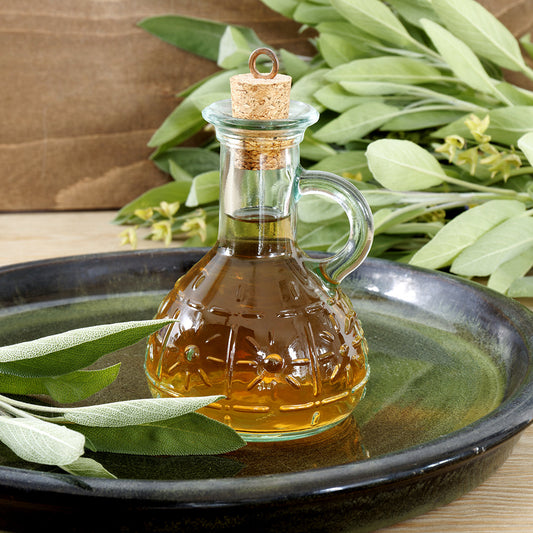
Raw apple cider vinegar (ACV) can help with tangles, bring back body and shine, clarify residue, stimulate the scalp, decrease dandruff, and unclog hair follicles to help with excess shedding.
Read Post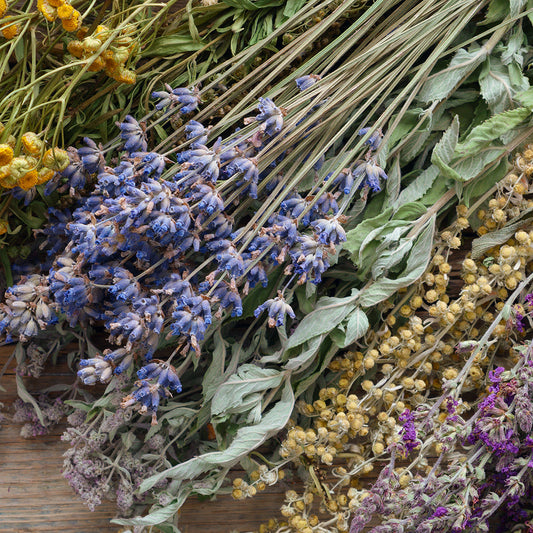
Herbal infusions have been used for centuries to naturally soften hair, increase manageability, and restore luster, body, and bounce. Learn why they work and how to prepare them.
Read Post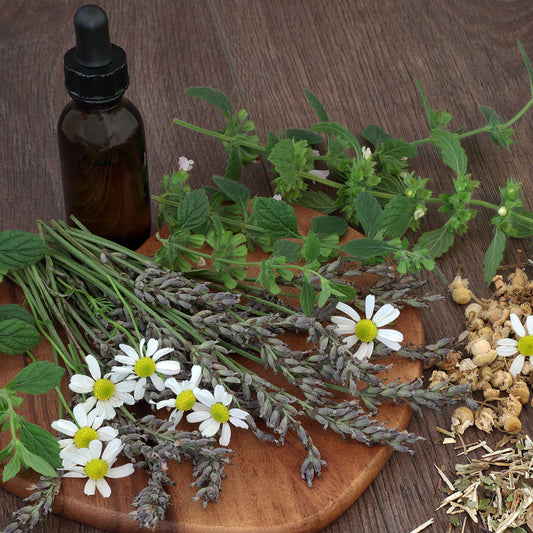
Essential oils can be used to cleanse the scalp, strengthen hair, control irritation and dandruff, stimulate hair follicles, improve circulation and even promote hair growth.
Read Post
People with severe allergies—please note: If you have severe anaphylactic-type reactions to ANY of the ingredients in ANY of our products, please do not buy our products. We have dedicated soap rooms and product rooms that are kept meticulously clean, but we cannot guarantee against possible cross-contamination of individual ingredients.
Chagrin Valley Soap & Craft is not responsible for any individual reaction to any particular ingredient. Each product description on our website includes a complete list of ingredients. People with sensitivities to any listed ingredient should not use the product. In case you are in doubt always try an allergy patch test and if at any time irritation occurs, discontinue use of the product.
The content and information on this website, provided by The Chagrin Valley Soap & Salve Company, is for educational purposes only and is in no way intended and should not be construed as medical advice to diagnose, treat, cure, or prevent any disease or health condition. The information regarding folklore or health-related benefits of certain ingredients is for educational purposes only. The information provided is not intended to prescribe or be taken as medical advice.
The information provided is not meant to substitute the advice provided by your personal physician or other medical professionals. Do not use the information found on this website to self-diagnose any medical conditions or treat any health problems or diseases. If you have medical concerns regarding yourself or your family you should seek the advice of qualified, licensed health professionals. Never disregard professional medical advice or delay in seeking it because of something you have read on this website.
This information has not been evaluated by the Food and Drug Administration. This notice is required by the Federal Food, Drug and Cosmetic Act.
Read our Full Medical Disclaimer.