Organic Cassia Essential Oil

Organic Cassia Essential Oil

Cassia Essential Oil
Warm, Spicy, Invigorating Aromatic Spice

Cassia, Cinnamomum cassia, is steam distilled from the bark of the Cinnamomum cassia tree, a close botanical relative to true cinnamon. Warm, spicy, and slightly sweet, cassia’s aroma is familiar to most people—because much of what we buy labeled “cinnamon” in grocery stores is actually cassia.

Topically, cassia offers strong antiseptic properties and is known for its antibacterial, antifungal, and antiviral activity. When diluted and applied to the skin, it produces a pleasant warming sensation by increasing surface circulation, which may help relax stiff muscles, ease minor aches and pains, and provide comforting relief during colder seasons.

Due to its strength, however, cassia must always be used properly diluted in a carrier oil to avoid skin irritation.

Because of its cozy sweetness and rich spice, cassia is a favorite in autumn blends, winter soaps, and holiday aromatics, adding warmth, comfort, and nostalgic depth.

Aromatherapy Properties: The aroma of cassia creates a sense of warmth, calm, and emotional grounding. Its uplifting sweet-spice scent reduces stress, softens tension, and encourages relaxation. Diffused lightly, it transforms a space into something inviting, comforting, and softly energizing—like the warmth of baking spices on a cool day.

Cinnamon vs. Cassia — What’s the Difference?

While hundreds of cinnamon species exist worldwide, two dominate the market:

Cinnamomum verum (True Cinnamon / Ceylon Cinnamon)

  • Its name means true cinnamon
  • Originally from Sri Lanka (formerly Ceylon)
  • Thin, soft bark with many delicate layers
  • Light, gently sweet flavor
  • More expensive and less common

The difference between true cinnamon and cassiaCinnamomum aromaticum (Cassia / Chinese Cinnamon)

  • Native to southern China
  • Stronger, bolder, more pungent flavor
  • Bark is thick, hard, and curls as one solid layer
  • Cheaper and more widely available — most U.S. “cinnamon” is cassia

In the U.S., both may be labeled simply cinnamon, but many other countries require cassia to be labeled accurately. If your cinnamon stick is thick and rolls in a single hard coil, it’s cassia — not Ceylon cinnamon.

Pregnancy and Children: We do not provide information on the safety of essential oils during Pregnancy or for use in Children because the available information is very ambiguous and often contradictory. If you’re interested in using essential oils during pregnancy or with young children, please do your own research and consult your doctor, midwife, or health care professional before use.

Precautions: If you are pregnant, nursing, taking medication, have a medical condition, or have any medical concerns regarding yourself or your family, consult a qualified, licensed health professional prior to use. For external use only. Keep away from eyes and mucous membranes. Keep out of reach of children.

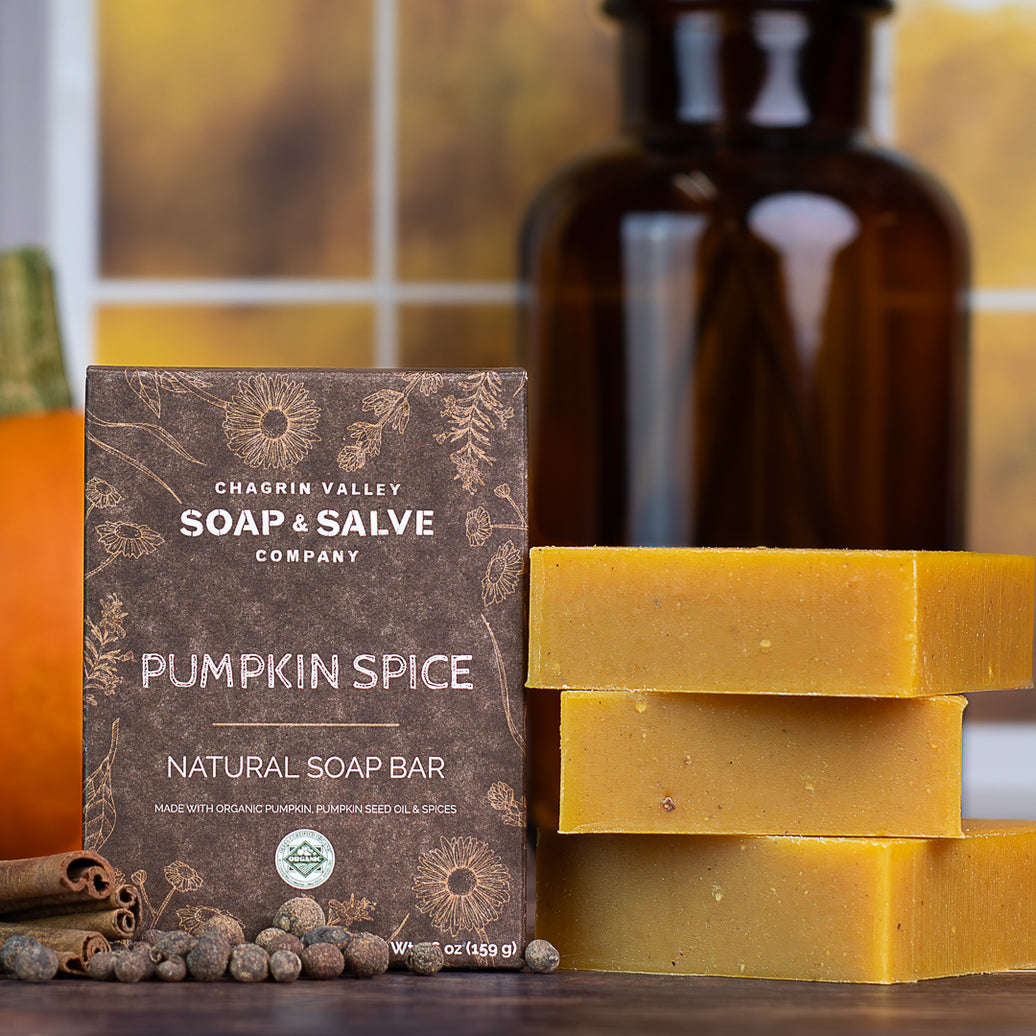
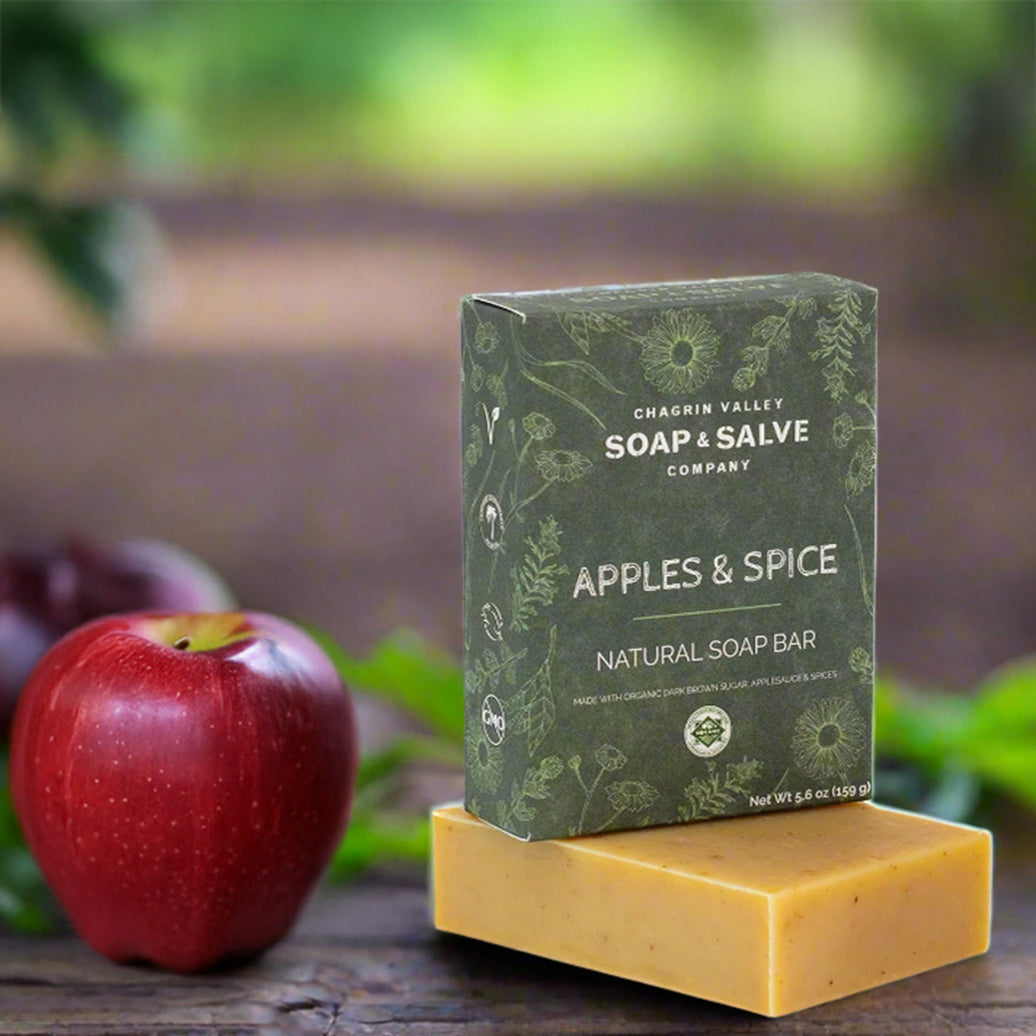
Products That Feature Organic Cassia Essential Oil

Please Note: The content and information on this website regarding folklore or health-related benefits of certain ingredients is for educational purposes only and is in no way intended and should not be construed as medical advice to diagnose, treat, cure, or prevent any disease or health condition.

The information provided is not meant to substitute the advice provided by your personal physician or other medical professionals. Do not use the information found on this website to self-diagnose any medical conditions or treat any health problems or diseases.

If you have medical concerns regarding yourself or your family you should seek the advice of qualified, licensed health professionals. Never disregard professional medical advice or delay in seeking it because of something you have read on this website.

This information has not been evaluated by the Food and Drug Administration. This notice is required by the Federal Food, Drug and Cosmetic Act.

Our ingredients descriptions are about TOPICAL (external) use ONLY. For internal use always consult your physician or healthcare provider.

If you are trying a new product we suggest doing a small patch test.

Read our Full Medical Disclaimer.