Cinnamon
An Ancient Spice with Enduring Warmth
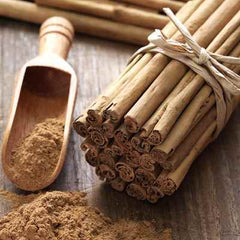
Cinnamon, Cinnamomum zeylanicum, often called true cinnamon, is a fragrant bark long prized for its warm, sweet, spicy aroma. Native to Sri Lanka, cinnamon has been used for centuries in food, medicine, and trade. During the 15th and 16th centuries, it was one of the most sought-after spices in the world, so valuable that it was once considered worth more than gold.
Rich in naturally occurring antioxidants, cinnamon has a long history in traditional herbal systems, where it was valued for supporting circulation and providing gentle warming comfort. Its distinctive scent has made it a beloved ingredient in culinary traditions—from coffee cakes to apple cider—and in aromatic spice blends designed to create warmth, comfort, and seasonal appeal.
Historically, cinnamon has been associated with increased circulation and cleansing effects. Traditional uses include applications for acne-prone skin and scalp stimulation, due to its warming nature and antimicrobial activity.
Cinnamon powder has also been used as a gentle exfoliant. The grainy texture removes dead skin, unclogs pores, and improves texture for a clearer, brighter complexion. Its antiseptic and antibacterial nature helps clear pores and prevent breakouts.
It may help decrease simple acne by drying excess skin oil and increasing circulation to the skin's surface. A simple paste, made by mixing three tablespoons of honey with one tablespoon of cinnamon, can be applied once a week to the acne areas for 10-20 minutes before washing. Always do a patch test before using any home remedy on sensitive skin.
While cinnamon has been used traditionally in skincare and hair care, our primary focus is on its aromatic warmth rather than as a skin-conditioning herb.
We use cinnamon in spice blends and seasonal products, where its warm, sweet, comforting scent enhances the sensory experience of a product. It plays a supporting role, adding depth and richness to seasonal aromas without overwhelming the skin.
Cinnamon’s familiar warmth evokes comfort, coziness, and tradition—making it a beautiful aromatic accent rather than a functional skincare herb.
👉 Learn more: Cinnamon vs. Cassia — What’s the Difference?