

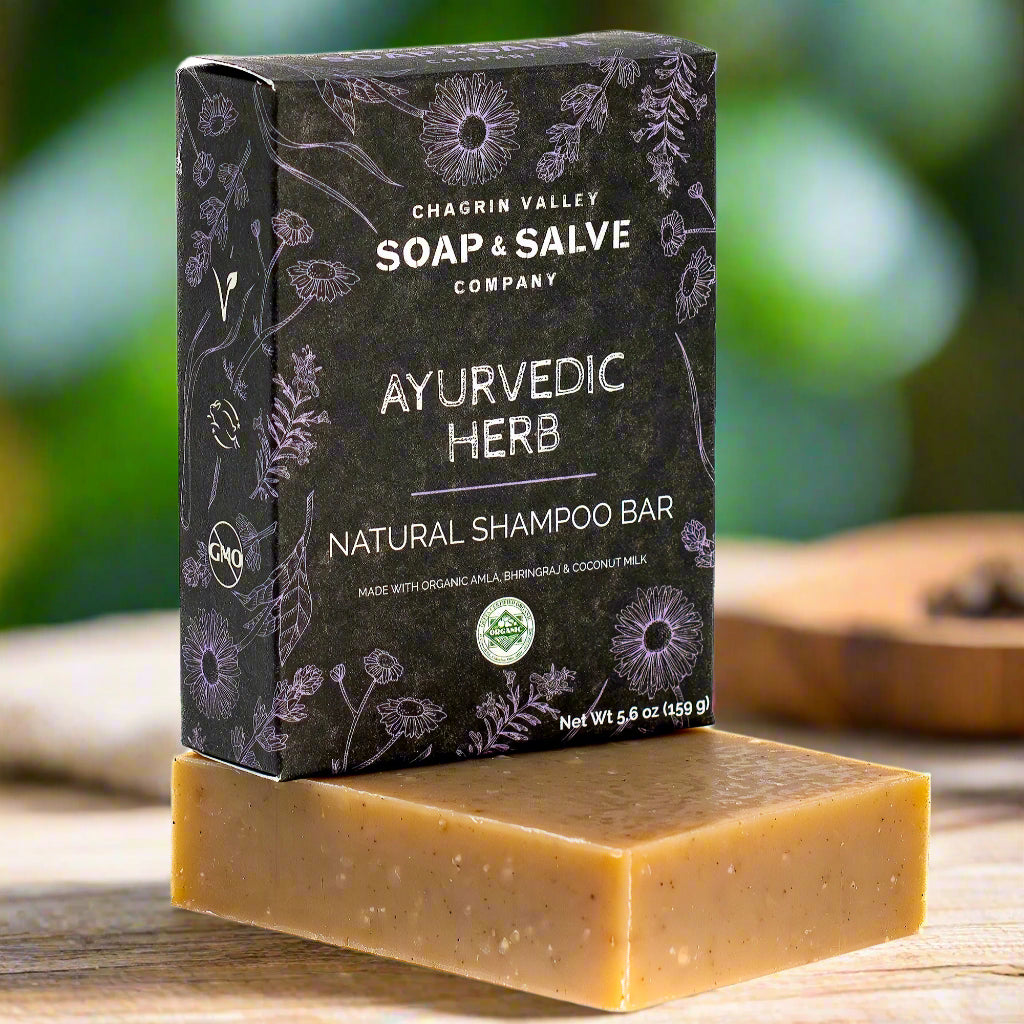
Shampoo Bar: Coconut Milk
$4.10 - $11.95
- Out Of Stock
When it comes to healthy, beautiful hair, one size never fits all.
Every head of hair is its own ecosystem — shaped by biology, environment, and the way you care for it. Understanding your hair’s natural tendencies is the key to choosing a shampoo bar that truly supports it.

Your hair isn’t stubborn or unpredictable — it’s simply itself.
Most people talk about hair in terms of type: straight, wavy, curly, or coily. But the curl pattern is only one piece of the story.
Texture, density, porosity, and curl pattern work together to create your hair’s unique personality.
Two people with “curly hair” can have completely different needs. The same is true for “oily hair,” “dry hair,” or “fine hair.”
How could one bar suit both someone with fine, low‑density curls that get weighed down easily and someone with coarse, high‑density curls that crave richer moisture to stay soft and defined? Even within the same hair type, your favorite bar may shift with the seasons, your water, or your routine.
That’s why recommending a single “best” shampoo bar is impossible — and why natural hair care is so personal.
Each of our shampoo bars is crafted from a unique recipe — different oils, butters, botanicals, and clays — each designed to support a different set of needs.
At Chagrin Valley Soap & Salve, we believe nature already provides everything hair needs to thrive. Our bars are made with soothing botanicals, nourishing oils, and plant butters that work with your hair’s biology, not against it.
Whether your strands are fine and silky, coarse and coily, or anywhere in between, nature offers the tools to bring out their best.
👉 Learn More: What Is Your Natural Hair Type?
Before choosing a shampoo bar, there’s one factor many people overlook: how you wash your hair matters just as much as the bar you choose. Natural shampoo bars are concentrated, rich in oils and butters, and work very differently from liquid detergents.
Even the perfect bar can feel heavy or leave residue if the technique isn’t right.
 Think of it this way — liquid shampoos are designed to foam instantly and coat the entire length of your hair.
Natural shampoo bars are designed to cleanse the scalp, and the rest of the hair is cleaned as the lather flows through. Once you understand this shift, everything clicks into place.
Our natural shampoo bars are superfatted, meaning they contain extra nourishing oils that help condition the hair and scalp. Because they’re more concentrated than liquid shampoo, they need a slightly different approach to rinse cleanly and perform their best.
The key is simple:
You’re washing your scalp — not scrubbing the entire length of your hair.
This small change helps shampoo bars rinse cleanly, prevent residue, reduce heaviness, and allows your bar to work exactly as intended.
This method helps shampoo bars rinse cleanly and is especially helpful for long, thick, textured, or “adjustment‑phase” hair.
👉 For a detailed step-by-step method, visit "How to Use a Natural Shampoo Bar".
If you’re new to natural shampoo bars, you’re not alone — and you’re in good company. One of the most common messages we receive from first‑time users sounds something like: “I love the idea of going natural, but my hair feels… different.”
That’s completely normal.
Natural shampoo bars don’t behave like detergent shampoo. Your hair may need a little time to adjust to a gentler way of cleansing. Some people transition instantly with no issues at all. Others notice changes in texture, slip, or rinse‑feel during the first few washes. None of this means that a natural shampoo bar is wrong for you — it simply means your hair is learning a new routine.
**Before choosing a bar, be sure to read the technique section above. With natural shampoo bars, how you wash matters just as much as what you wash with.
 Because every head of hair is unique, we encourage new users to start with a few travel‑size bars that tend to work well for a wide range of hair types.
Use each bar for at least a week so you can really notice how your hair and scalp respond.
Pay attention to patterns:
Your hair will tell you what it likes — and what it doesn’t.
Finding your perfect match is less about choosing the “right” bar and more about discovering the ingredients your hair naturally responds to best.
While there’s no single shampoo bar that works for everyone, many first‑time users appreciate starting with a few formulas that are especially approachable.
Below, you’ll find a small selection of beginner‑friendly bars — each one clean‑rinsing, gentle, and well‑loved across a wide range of hair types.
The right bar is the one your hair responds to with softness, balance, and ease.
👉 Learn More: Your Hair’s Journey to Natural Care — Tips for a Smooth Shampoo Bar Transition


With so many shampoo bars to explore, it can be helpful to start with a few broad hair “needs.” These aren’t medical conditions or strict categories — just common patterns people notice in their hair.
Because every head of hair is unique, we’ve chosen a handful of the most frequently asked‑about concerns to help guide your search.
Think of these as starting points, not rules.
Your hair may fit neatly into one category, or it may overlap several. You may even find that your needs change with the seasons, your water, or your routine.
Below, you’ll find a few helpful categories — each with a short description and a banner of suggested bars.
We always encourage reading the full product descriptions and using the filters on the Shampoo Bar Collection page (Hair Type or Helps With) to explore even more options.

Dry hair often occurs when the scalp produces less natural oil, leaving hair without the moisture it needs to feel soft, smooth, and flexible.
It often feels rough, brittle, or easily tangled. It may be difficult to manage, look dull, frizzy, or lack softness and shine.
Gentle cleansing with nourishing, natural ingredients helps clean the hair while maintaining moisture balance so strands feel softer and more manageable.
👉 For more guidance, visit Help Me Choose Products for Dry Hair.


An oily scalp occurs when sebaceous glands produce more oil than the hair needs, leaving strands looking limp or greasy soon after washing.

It can be tempting to reach for strong “drying” shampoos, but these often strip away too much natural oil. In response, the scalp may produce even more oil, creating a frustrating cycle.
Gentle cleansing helps remove excess oil without over-drying, leaving the scalp feeling clean and balanced and the hair feeling light and easier to manage.
Many people with oily‑feeling hair enjoy bars made with citrus essential oils, which offer a bright, clean, lightweight feel. Citrus oils don’t “dry out” the scalp — instead, they help the hair feel refreshed and less weighed down.
Some of our bars also contain soapnuts (aritha), which naturally contain saponins — gentle plant cleansers that help lift away excess oil and buildup while keeping hair and scalp comfortable, which feels especially nice on oily or quickly‑greasy hair.
👉 For more guidance, visit Help Me Choose Products for Oily Hair


Flaking on the scalp can happen for several reasons. Sometimes flakes result from a dry scalp, while other times they are associated with excess oil and scalp irritation.
These sensations can come and go, and they often feel more noticeable when the scalp is stressed by weather changes, product buildup, or harsh detergents.
Whatever the cause, a mild, natural shampoo is often the most comfortable choice. Harsh ingredients can leave the scalp feeling tight or over‑cleansed, which may make flaking or irritation feel more pronounced.
A mild, natural shampoo offers a more gentle cleanse, leaving the scalp feeling calmer, softer, and more balanced.
👉 For more guidance, visit Help Me Choose Products for Flaky Scalp, Dandruff, or Easily Irritated Scalp


Hair naturally sheds as part of its normal growth cycle, and everyone loses some hair each day. Because each follicle follows its own schedule, shedding happens continuously as new hair grows in to replace what is lost.
Sometimes, however, shedding or thinning becomes more noticeable. Genetics, hormones, health conditions, medications, stress, and life changes can all influence hair growth, and many of these causes are beyond what hair care products alone can change.
 Many people go through times when their hair feels thinner than usual, sheds more during washing, or seems more delicate and breakable. Sometimes the strands feel fine and airy; other times the scalp feels stressed or easily unsettled.
What gentle hair care can do is help maintain a comfortable scalp and reduce dryness or breakage that can make thinning appear worse.
Excess shedding is often the result of simply mistreating your hair. Detergent shampoos and heavy chemical treatments can leave hair fragile and prone to breakage, making hair seem thinner even when follicles are still producing healthy strands.
We put a lot of care and research into our recipes, and sometimes I believe that what IS NOT in our shampoo bars is often more beneficial than what IS in them.
Many people find that switching to a gentle, natural shampoo without strong detergents or synthetic additives helps hair feel softer, more manageable, and less prone to breakage.
Explore shampoo bars recommended for fragile or thinning hair in the banner below. Read the ingredient list and product description notes to help find options that support comfortable scalp care and gentle cleansing.
👉 For more guidance, visit Help Me Choose Natural Products for Thinning Fragile Hair
Some hair naturally lies close to the head and can feel flat, soft, or easily weighed down. Fine or low‑density hair often looks smooth but lacks the lift, movement, or fullness people want.
 Heavy conditioners, silicone‑based products, or synthetic detergents can make this even more noticeable, leaving the hair feeling limp instead of lively.
A gentle, natural shampoo bar helps remove buildup, allowing strands to feel lighter, fresher, and more manageable.
Many people notice that once they switch away from detergent‑based shampoos, their hair begins to feel cleaner at the roots and fuller through the lengths.
An apple cider vinegar rinse can also be a lovely addition — it helps remove buildup, adds natural shine, and gives the hair a soft, airy sense of movement.
Explore shampoo bars recommended for fine or limp hair below to help bring softness, movement, and natural body back to your hair.
👉 For more guidance, visit Help Me Choose Natural Products: My Hair Needs Body
Many customers find that gentle shampoo bars feel more comfortable on color-treated hair than harsher commercial shampoos, which can sometimes leave hair feeling dry or stressed after chemical processing.

Because coloring alters the hair shaft, treated hair often needs extra moisture and gentle cleansing to stay soft and manageable.
Choosing a mild shampoo and rinsing with lukewarm or cool water can help keep hair feeling smoother and less dry.
All of our shampoo bars are gentle enough for color-treated hair, but since every hair type and coloring product is different, we recommend performing a strand test first. Simply wash and rinse a small, inconspicuous section of hair and observe how it responds.
For color‑treated hair, it is often best to:
Choose your shampoo bar based on your hair type and how your hair feels after coloring. Explore shampoo bars suited to your hair type below, keeping in mind that coloring may change how your hair feels and behaves over time.
Hair has a language of its own — a quiet way of telling you what it needs. Some strands crave richness, others prefer lightness. Some want slip and softness, others want lift and air. No chart or category can capture all of that, which is why choosing a shampoo bar is less about rules and more about listening.
Let the categories above guide your first steps, then explore. Try a few bars, read their stories, and notice how your hair responds. With gentle technique and a bit of patience, your hair will show you exactly what it loves.
Nature already gives your hair everything it needs — you’re simply choosing the bar that lets it shine.
Natural care is personal, intuitive, and beautifully individual — just like your hair.


Explore the world of natural shampoo bars, get answers to your FAQs and learn about the benefits, ingredients, hair type suitability, and usage tips. Start enjoying healthier, happier hair.
Read Post
What is a Dry Shampoo? How Does Dry Shampoo Work? How Do You Use a Dry Shampoo? Are All Dry Shampoos the Same? In this blog, I hope to answer all of your dry shampoo questions!
Read Post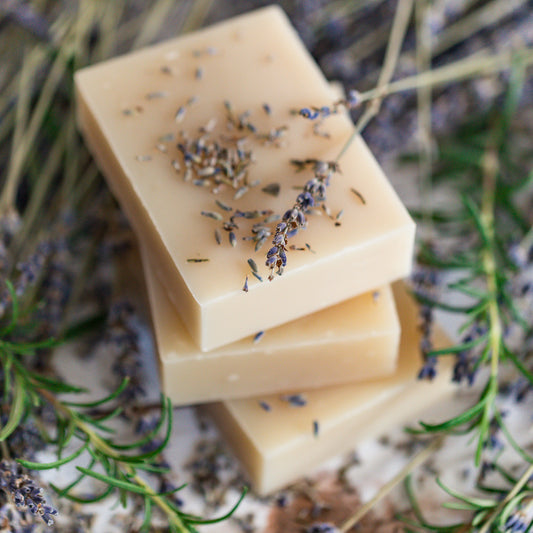
While the process of making a shampoo bar is the same as soap, shampoo bar "recipes" use different proportions of oils as well as herbs and essential oils known for their hair care benefits.
Read Post
People with severe allergies—please note: If you have severe anaphylactic-type reactions to ANY of the ingredients in ANY of our products, please do not buy our products. We have dedicated soap rooms and product rooms that are kept meticulously clean, but we cannot guarantee against possible cross-contamination of individual ingredients.
Chagrin Valley Soap & Craft is not responsible for any individual reaction to any particular ingredient. Each product description on our website includes a complete list of ingredients. People with sensitivities to any listed ingredient should not use the product. In case you are in doubt always try an allergy patch test and if at any time irritation occurs, discontinue use of the product.
The content and information on this website, provided by The Chagrin Valley Soap & Salve Company, is for educational purposes only and is in no way intended and should not be construed as medical advice to diagnose, treat, cure, or prevent any disease or health condition. The information regarding folklore or health-related benefits of certain ingredients is for educational purposes only. The information provided is not intended to prescribe or be taken as medical advice.
The information provided is not meant to substitute the advice provided by your personal physician or other medical professionals. Do not use the information found on this website to self-diagnose any medical conditions or treat any health problems or diseases. If you have medical concerns regarding yourself or your family you should seek the advice of qualified, licensed health professionals. Never disregard professional medical advice or delay in seeking it because of something you have read on this website.
This information has not been evaluated by the Food and Drug Administration. This notice is required by the Federal Food, Drug and Cosmetic Act.
Read our Full Medical Disclaimer.