Natural Soap: Lavender Rosemary
- Out Of Stock
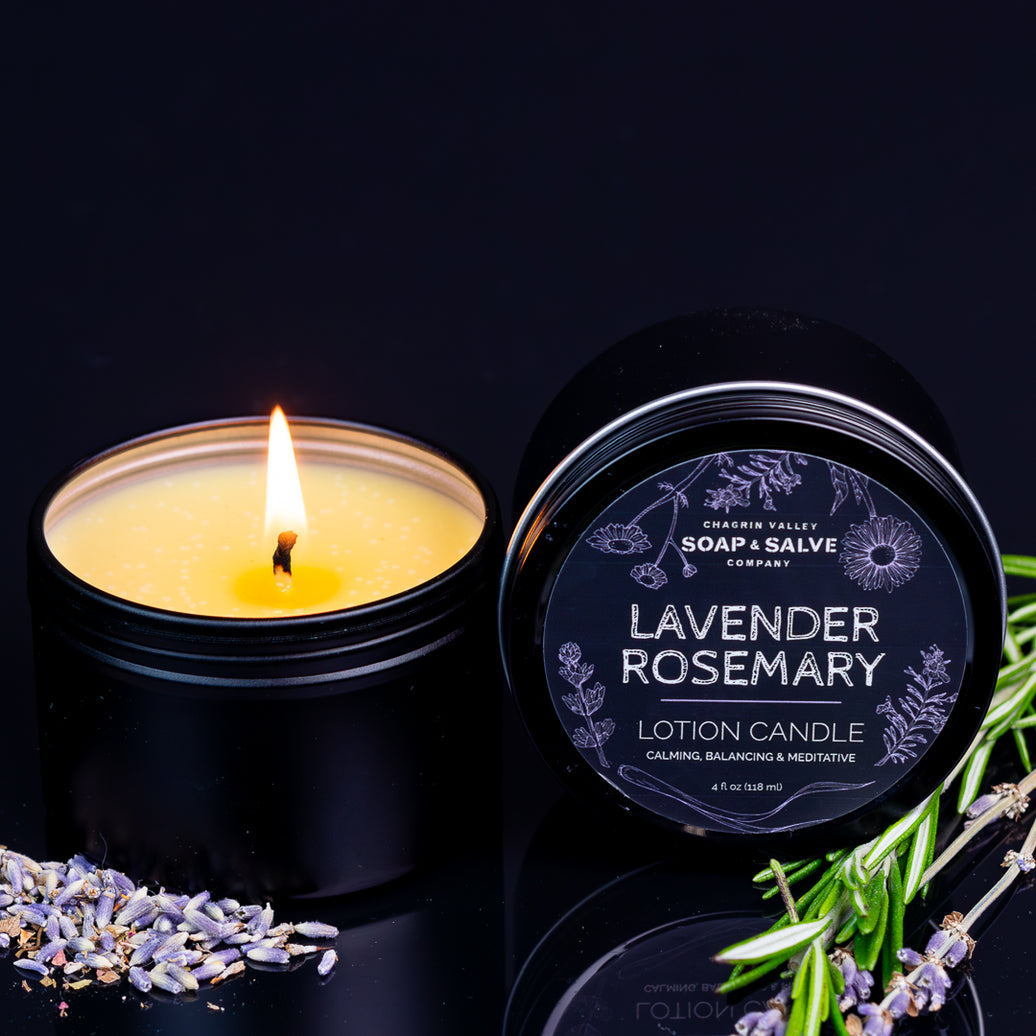
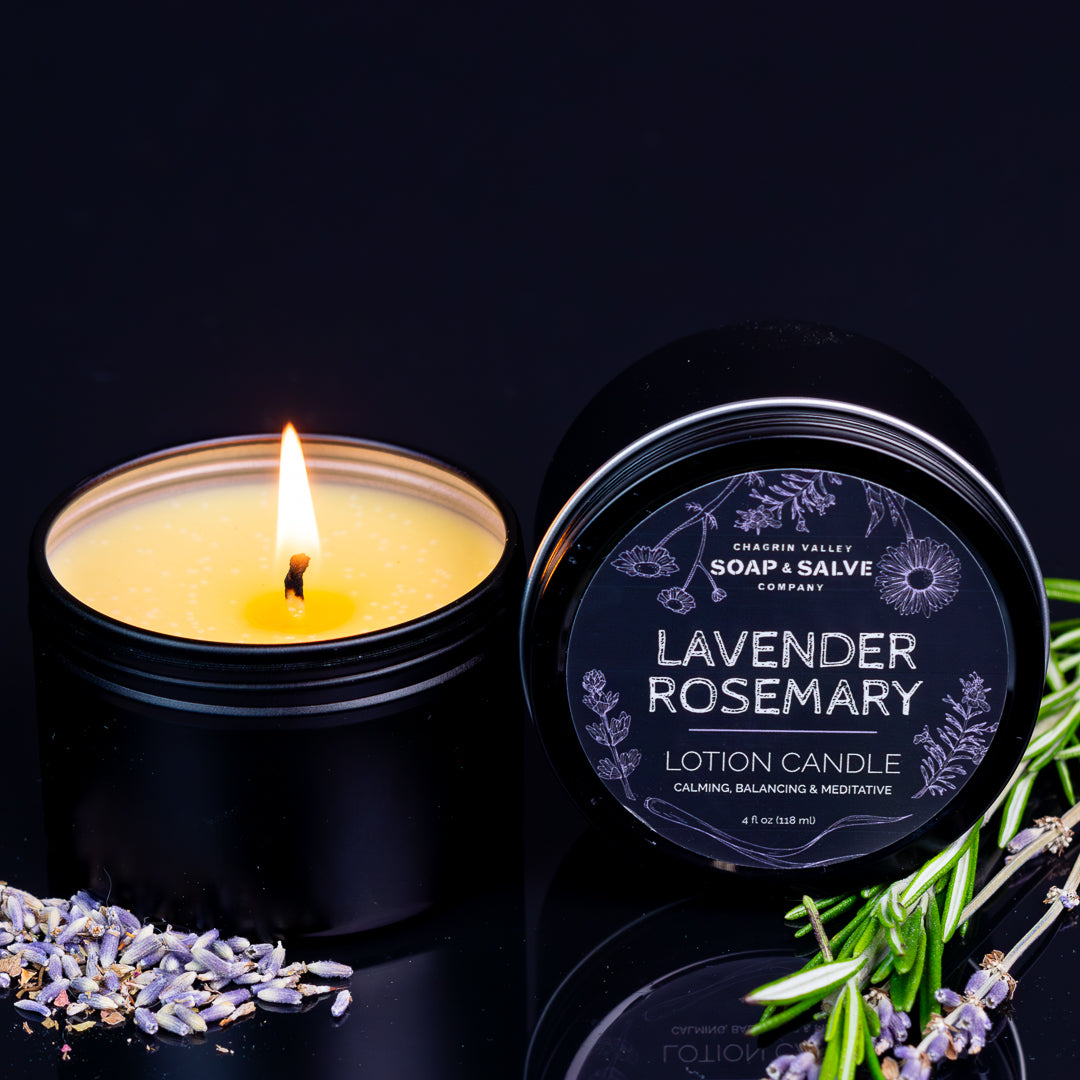
A candle, warm body balm, and massage oil in one—crafted to melt into the skin with soft, nourishing plant butters while the timeless blend of lavender and rosemary drifts through the air like a quiet garden at dusk.
Some scents invite gentle stillness
This is not just a candle. It’s a slow, warming ritual that begins with light and ends with softened skin.
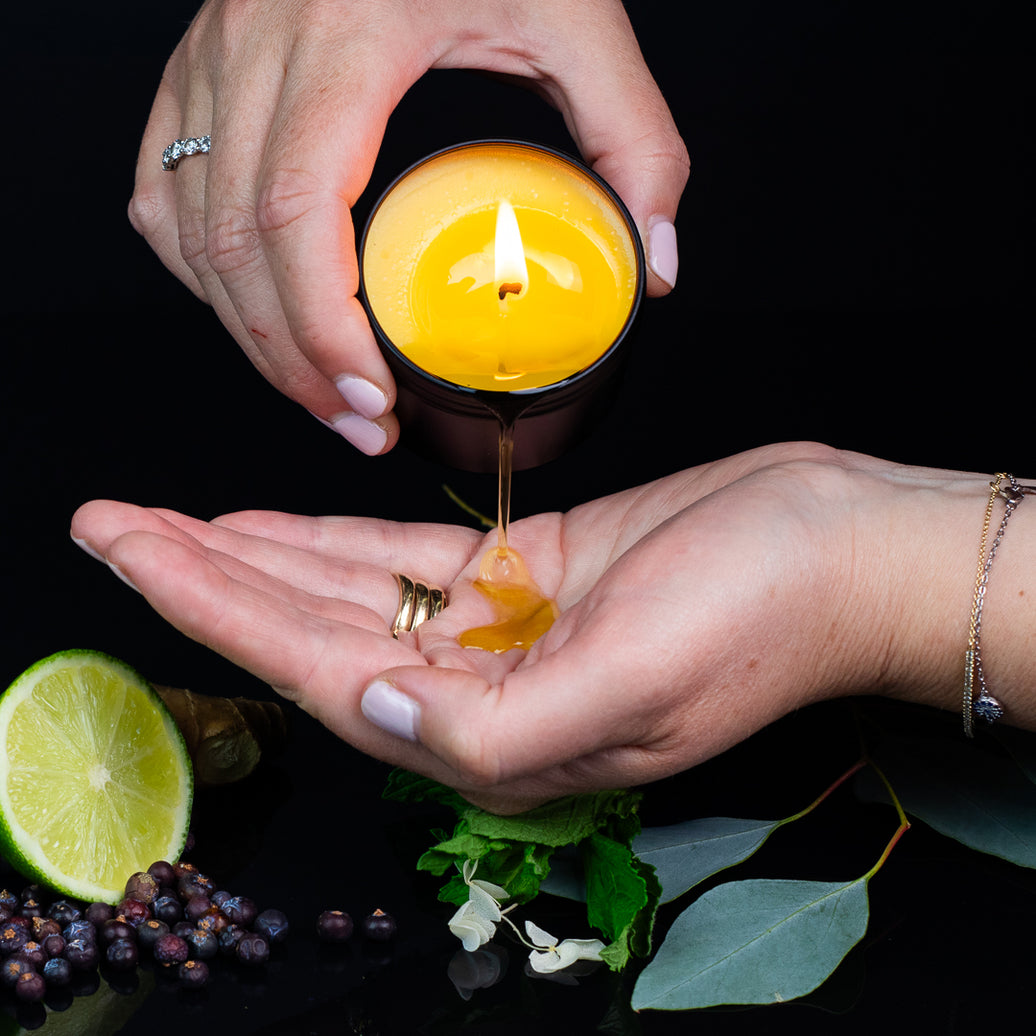
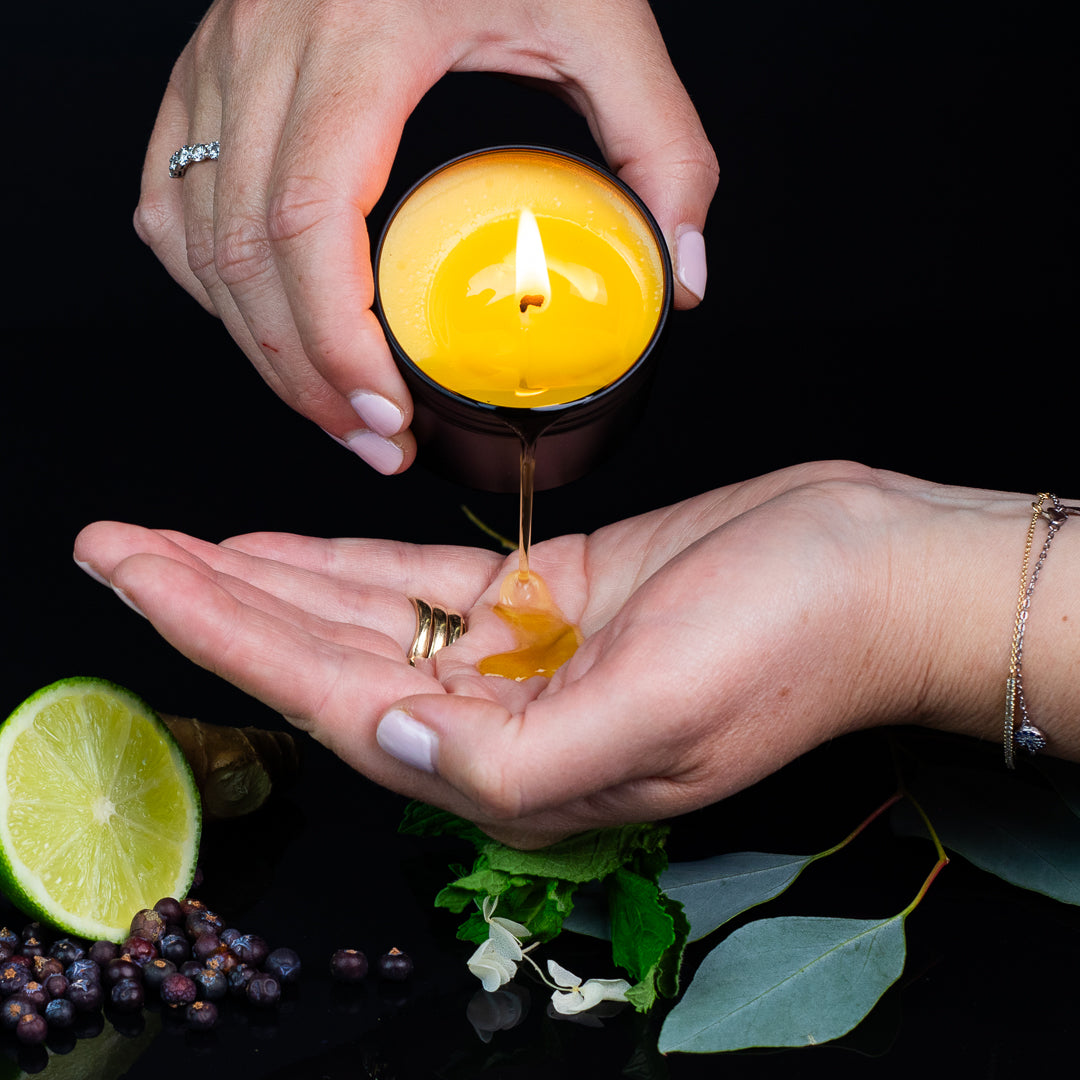
When lit, the candle releases the familiar herbal-floral aroma of lavender and rosemary—clean, calming, and quietly refreshing. As the wax melts, it transforms into a pool of warm, silky oil that can be poured directly onto the skin and massaged in as a deeply comforting body balm or massage oil.
The texture is rich without feeling heavy, gliding easily and leaving skin supple, smooth, and softly conditioned.
Lavender brings a gentle floral calm. Rosemary adds a fresh, green clarity.
Together they create a scent that feels peaceful but not sleepy—like open windows in a garden after rain, or clean air moving through warm leaves.
Because this candle is designed for skin application, the essential oils are used at a skin-safe concentration. The aroma is intentionally soft and close—not meant to fill the room like a traditional candle, but to linger gently on warm skin and in the air nearby.
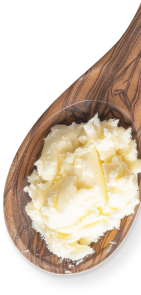
Once warmed, the blend melts into a silky, slow-moving oil that spreads easily across the skin. Virgin shea and cocoa butters give the melt a creamy, cushioned richness, while sunflower and avocado oils add a light, fluid slip that keeps the oil gliding smoothly. The soy wax helps the warmth linger at a gentle, comforting temperature.
As the melted oil touches the skin, it feels warm and deeply comforting. As it slowly absorbs, it leaves behind a velvety softness and skin that feels smooth, conditioned, and deeply moisturized.
It’s especially lovely for:
A simple ritual of light, warmth, and quiet balance.
To ensure an even burn and long-lasting candle, make sure to trim your wick to about 1/4 inch before lighting. Burn on a stable, flat, heat resistant surface.

Light the Candle:
Blow out the Flame*
Apply the Oil
The leftover candle will solidify to use another day. Keep wick trimmed to about ¼ inch. Be sure to replace the lid after use to keep candle clean.
Tip: Light before you get in the shower or bath and then massage the warm oils into your warm damp skin for some intense moisturizing (especially nice for winter dryness).
*To extinguish your candle, gently blow out the flame. Never attempt to extinguish a candle using water.
Massage candles can also be used as part of a warm manicure or pedicure treatment at home.
Safety and Important Information

The goal is simple: to Harness the Power & Simplicity of Nature® to cleanse, soothe, heal, and protect your skin and hair!
Our unique formulas rely on moisturizing oils and butters, healing botanicals, and pure essential oils. We choose every ingredient with one end-result in mind….the BEST possible natural skin care for YOU!
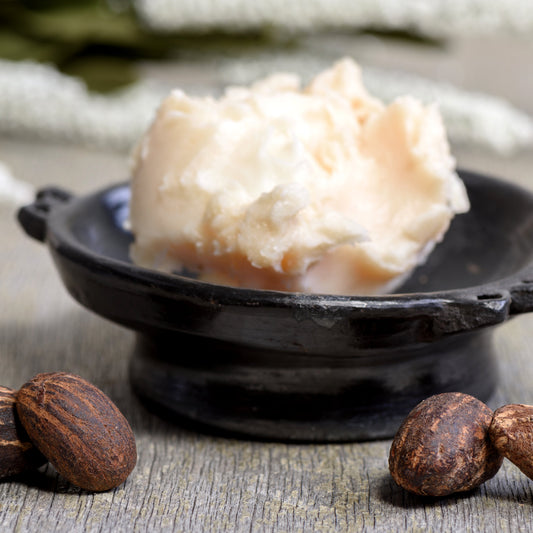
Organic Virgin Shea Butter*
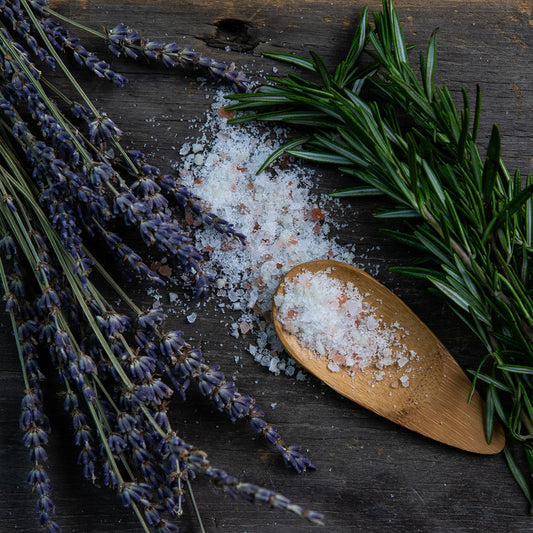
Organic Lavender Essential Oil
Organic Rosemary Essential Oil
*Ingredient is Fair Trade Certified
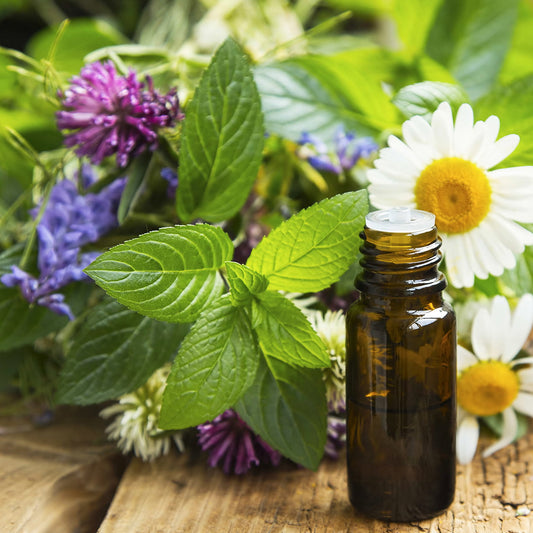
Have you ever enjoyed the scent of a fragrant flower or herb? The fragrance comes from potent, aromatic compounds called essential oils found in the flowers, stems, seeds, bark, roots, fruits, and other parts of plants. It often requires several pounds of a plant to produce a single bottle of essential oil.
Essential oils not only give plants their unique scents but also help lure plant pollinators and protect plants from insects and other predators.
The chemical composition of essential oils may provide valuable psychological and physical aromatherapeutic benefits for some people.
It is important to note that to be a true essential oil, the oil must be isolated from the plant material by physical means only. Essential oils are NEVER extracted using solvents.
Although synthetic fragrances or "nature identical" oils are available at a much lower cost, only natural plant essential oils will provide any aromatherapeutic benefits.

What Are Essential Oils (Much more detail)
How Essential Oils Are Extracted
Why We Use Only Real Plant Essential Oils?
If you are pregnant or under a doctor's care for any medical condition, please consult your healthcare provider before using essential oils.
Pregnancy & Children: We do not provide information on the safety of essential oils during Pregnancy or for use in Children because the available information is very ambiguous and often contradictory. If you’re interested in using essential oils during pregnancy or with young children please do your own research and consult your doctor, midwife, or health care professional before use.
Well, first of all, it's an all-natural product. Commercial lotions are NOT. Our Body Balms and Whipped Shea Butters only contain the ingredients that they need to moisturize your skin.
Creams and lotions formulated with synthetic ingredients often aggravate sensitive skin, exacerbate irritated skin conditions, and trigger allergic dermatitis.
The organic oils and butters we use do NOT contain petroleum based chemicals (Mineral Oil, Petrolatum, Paraffin), chemical emulsifiers (DEA, MEA, TEA), chemical preservatives (Parabens, Urea), Propylene Glycol, artificial colors, or synthetic fragrances.
Have you ever noticed that when you use your body lotion your skin never stays moist and you find yourself going back to the lotion bottle over and over?
Look at the ingredients. The main ingredient in lotion is water! Once water is added to make a lotion, preservatives are needed to prevent mold and bacteria growth.
Commercial lotions often contain isopropyl alcohol and/or mineral oil. Both of these actually are very drying to your skin. The alcohol gives a temporary sense of coolness due to evaporation.
Mineral oil is a clear, liquid oil with no scent and will not spoil. It is very inexpensive because it is the liquid by-product of the distillation of petroleum to produce gasoline and other petroleum-based products from crude oil. It is found in lotions, soaps, baby oil, cosmetics, and motor oil. Mineral oil
It is great for oiling your wooden cutting boards--but not your skin. Mineral oil does not penetrate to soften. It is difficult to absorb, coats your skin and clogs the pores. If you would like to have healthy skin, stay away from mineral oils, animal fat, petroleum, and synthetic oil based skincare.
We know that natural body butters make great moisturizing body creams. But here are some other ways we have used these balms and butters:
HINT: If you enjoy the application "feeling" of a lotion better than a cream, try massaging our rich Whipped Butters into warm, wet skin after a bath or shower. Wait a few moments and gently pat dry. (Do not rub the skin dry!)
Since a lotion is just a lot of water mixed with oils, a rich natural butter on warm wet skin will have a similar feel.
Trying to choose the right natural soaps or skincare products can be a bit overwhelming especially when you have allergies and/or skin sensitivities.
Since we proudly list every ingredient in all of our products, reading the ingredient list will help to eliminate ingredients that may cause you problems.
We always recommend doing a patch test before using any new products especially if you have sensitive skin or allergies.
We receive so many emails asking for help with allergies, we created categories in our “Help Me Choose” section to provide information for those with allergies or sensitivities to nuts, coconut, shea butter and gluten.
Check out our help me choose pages!!
If you are allergic or sensitive to any of the ingredients in our products, they may cause skin irritation. Even natural ingredients may cause sensitivities.
People with severe allergies--please note: If you have severe anaphylactic-type reactions to ANY of the ingredients in ANY of our products, please do not buy our products. We have dedicated soap rooms and product rooms that are kept meticulously clean, but we cannot guarantee against possible cross-contamination of individual ingredients.
The "certified organic" labeling has been developed by the USDA and refers to organic claims and labeling on food and personal care products in the United States. The USDA has very strict guidelines for the percentage of organic ingredients necessary to receive organic certification. Other countries have their own certification procedures, requirements, and standards. Labeling criteria and allowable ingredients differ from those in the US.
The USDA Organic Logo Label can be used on products that meet the standards of the first two tiers of the organic labeling system in which 95 - 100% of the ingredients are certified organic.
Most of our non-soap products fall into this category and display the USDA logo!
The Certified Organic by OEFFA label is used in our company for two reasons . . .
Soaps and Shampoos: These products contain at least 8% of the sodium hydroxide due to the process of soapmaking. Our "organic" soap is about 87% to 92% organic, but the USDA standard states that a product must be made of 95-100% organic ingredients in order to bear the USDA Certified Organic seal shown above. We are also not allowed to use the words "organic soap" on the label.
Wildharvested Ingredients: When using any agricultural ingredient (any ingredient that has a biological origin) that is not certified organic the same labeling rules we use for soap apply.
The USDA rules for proper labeling state that the products may display the certifying agent's logo but not the USDA organic logo. Our USDA certifying agency is OEFFA (The Ohio Ecological Food and Farm Association). Their logo is displayed on our "organic" soaps and shampoos.
Why do some soap companies use the word "organic" on their labels--even though it is against the rules? Click Here to Read More about Rules for Organic Labeling of Soap!
We sometimes use an unofficial symbol for products made with "natural" ingredients that do not meet the criteria for either label above. You may see this type of symbol on products, like the Dead Sea Black Clay, Bamboo Charcoal, and Loofah Pumice Foot Soaps and our Mud & Clay and Rosemary Mint Charcoal Shampoo Bars.
Organic certification is based on organic farming and agriculture standards. As a result, the list of allowable non-agricultural ingredients (like clay, salt, mud etc) is based on raw materials used in agriculture or food production. Unfortunately, ingredients like some Clays, Pumice, Dead Sea Mud and Bamboo Charcoal are not used in farming or food production and thus do not appear on the list.
Although it may seem long, this is really a very brief description. For more detailed information please read, "What Do All Of The Organic Labels Mean?"
Shea Butter has been used across the African continent for centuries. But, all Shea Butter is not created equal! Let's Find Out Why.
Read Post
Aromatherapy is the use of aromatic plant essences like essential oils to support wellbeing and help maintain the balance of the mind, body, and spirit.
Read Post
The synergistic composition of essential oils cannot be recreated in a laboratory. Fragrance oils do not offer the natural therapeutic advantages of true essential oils.
Read Post