

Shampoo Bar: Rosemary Lavender
$4.10 - $11.95
- Out Of Stock



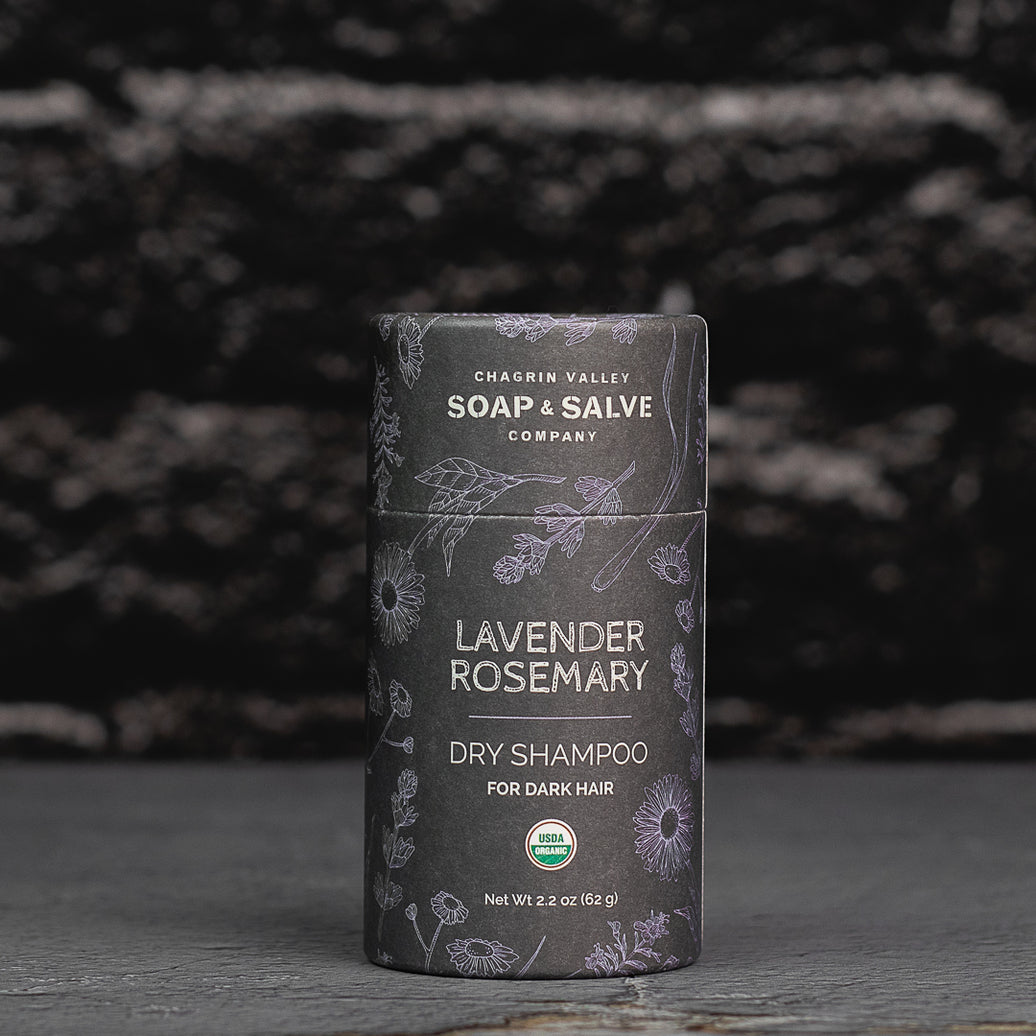
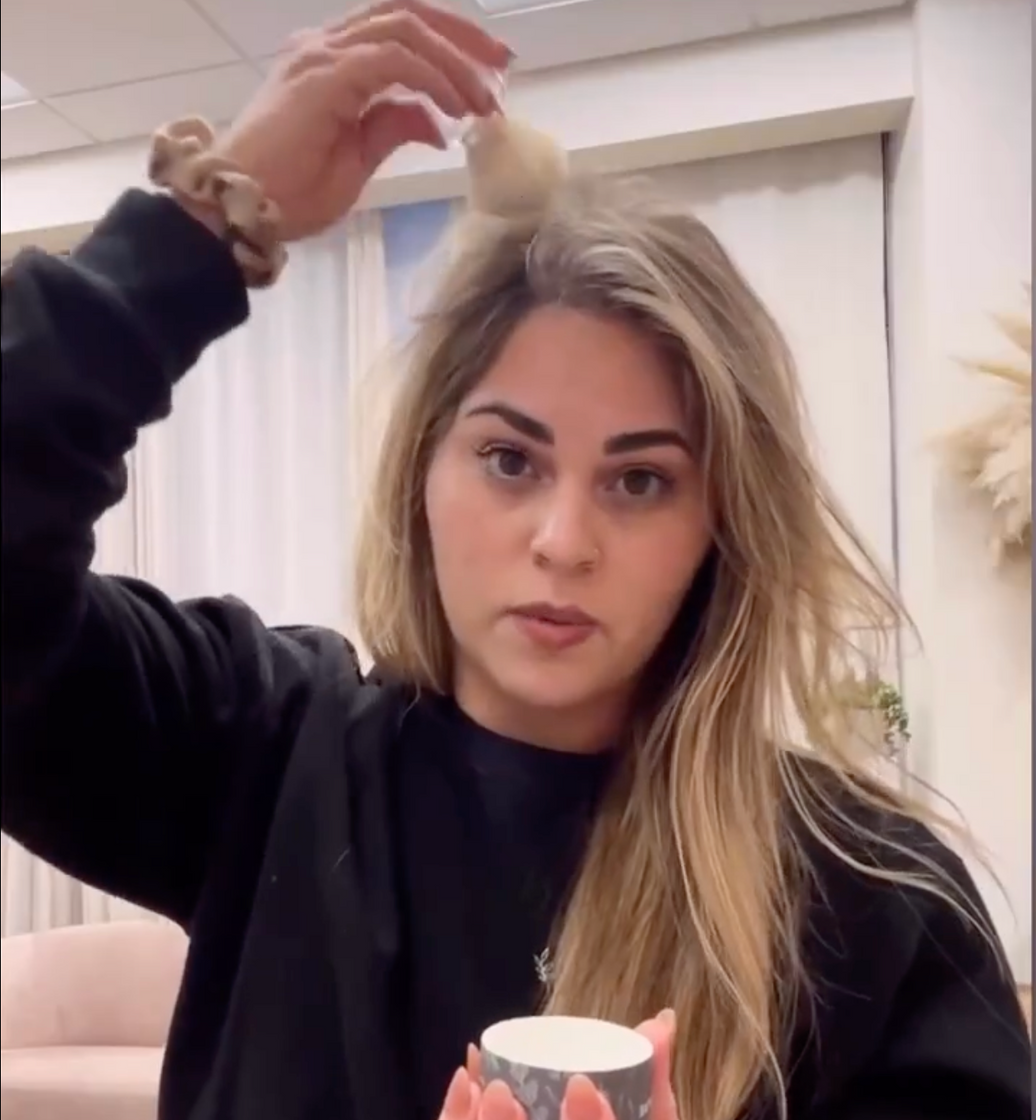
A lightweight, plant‑based dry shampoo designed for darker hair. Organic powders and a touch of cocoa blend seamlessly into dark roots to absorb excess oil, refresh the scalp, and restore natural lift — all with a soft lavender‑rosemary scent. Perfect for reviving dull or flat hair between washes.


When darker hair needs a quick refresh, our organic Fresh Locks™ Dry Shampoo brings back clean, touchable volume without leaving a pale or powdery cast. This gentle blend absorbs excess oil at the roots, revives flat or lifeless areas, and leaves hair looking naturally full and freshly scented.
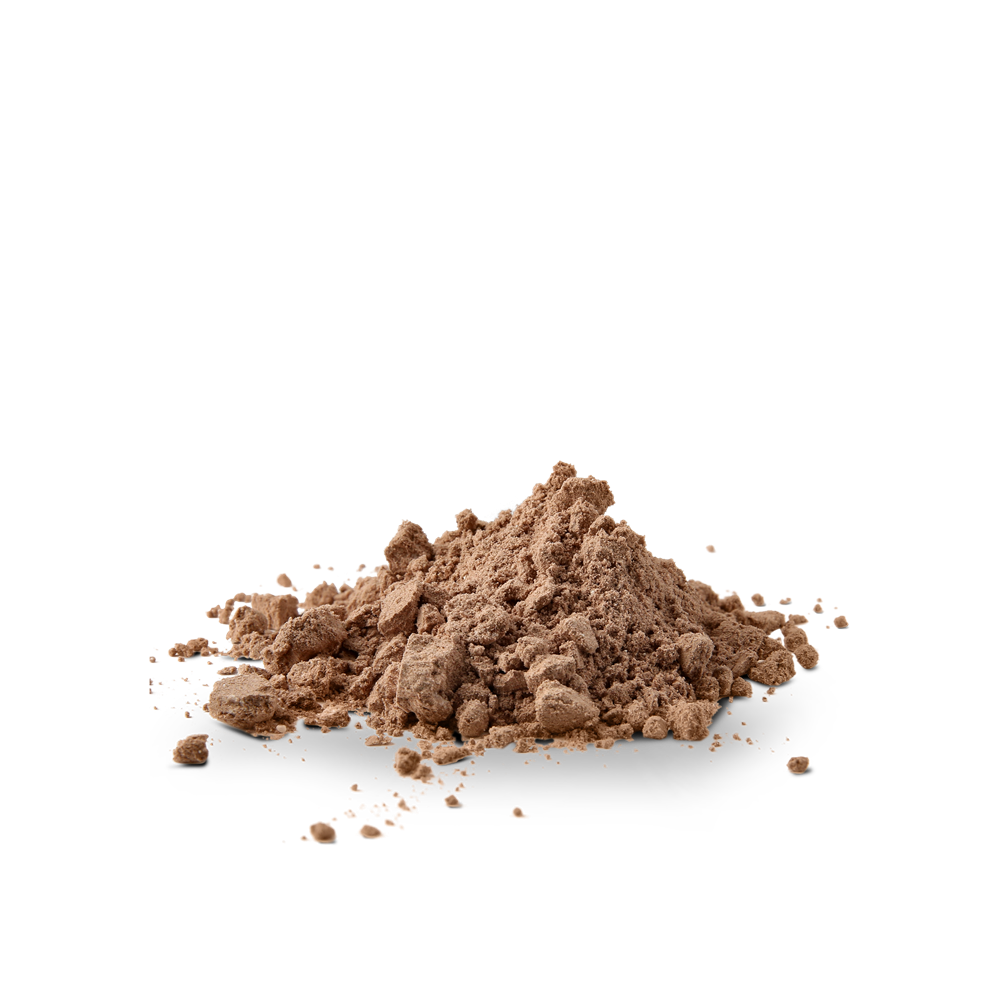
The base — organic tapioca flour, organic cornstarch, kaolin clay, organic burdock root, and organic plantain — works together to refresh the hair without heaviness. A touch of cocoa powder helps the formula blend smoothly into brown, black, or deep auburn hair so it disappears on the scalp and looks completely natural.
It’s the perfect pick‑me‑up after the gym, between wash days, when traveling or camping—anytime your hair needs a little boost.
Lavender and rosemary essential oils add a soft, herbal‑fresh aroma while supporting a balanced, comfortable scalp.
Our dry shampoos are packaged in recyclable paperboard tubes made from FSC-certified paper, with a shaker top for easy application—no aerosols, no propellants.
Fresh roots. Soft volume. Light herbal freshness.
👉 Learn More: What Is Dry Shampoo? How It Works and Why People Use It
👉 Learn More: For detailed application tips and techniques, visit our Dry Shampoo FAQ & Application Guide.

The goal is simple: to Harness the Power & Simplicity of Nature® to cleanse, soothe, heal, and protect your skin and hair!
Our unique formulas rely on moisturizing oils and butters, healing botanicals, and pure essential oils. We choose every ingredient with one end-result in mind….the BEST possible natural skin care for YOU!
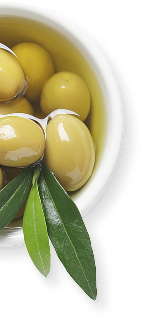
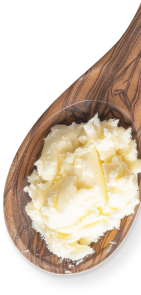
 Organic Tapioca Flour
 Organic Rosemary Essential Oil
 Organic Burdock Root
Have you ever enjoyed the scent of a fragrant flower or herb? The fragrance comes from potent, aromatic compounds called essential oils found in the flowers, stems, seeds, bark, roots, fruits, and other parts of plants. It often requires several pounds of a plant to produce a single bottle of essential oil.
Essential oils not only give plants their unique scents but also help lure plant pollinators and protect plants from insects and other predators.
The chemical composition of essential oils may provide valuable psychological and physical aromatherapeutic benefits for some people.
It is important to note that to be a true essential oil, the oil must be isolated from the plant material by physical means only. Essential oils are NEVER extracted using solvents.
Although synthetic fragrances or "nature identical" oils are available at a much lower cost, only natural plant essential oils will provide any aromatherapeutic benefits.

What Are Essential Oils (Much more detail)
How Essential Oils Are Extracted
Why We Use Only Real Plant Essential Oils?
If you are pregnant or under a doctor's care for any medical condition, please consult your healthcare provider before using essential oils.
Pregnancy & Children: We do not provide information on the safety of essential oils during Pregnancy or for use in Children because the available information is very ambiguous and often contradictory. If you’re interested in using essential oils during pregnancy or with young children please do your own research and consult your doctor, midwife, or health care professional before use.
The most important consideration in any business is its customers. Today's world of misleading claims, false advertising, and simple deception, often leaves consumers trying to discover the truth about personal products and their ingredients.
Some of my favorite products are made with ingredients that just do not exist as certified organic. Why? At this time there are no standards created for ingredients specifically used in the personal care product industry. Organic certification of personal care products is based on the organic food standards set by the National Organic Program of the USDA.
But since we are a certified organic company, we are required to submit documentation that even our "non-organic ingredients" were produced without the use of toxic pesticides, genetically modified organisms (GMOs), sewage sludge, or irradiation.
Why Did We Become a Certified Organic Company?
What Do All of the Organic Labels Mean?
The "certified organic" labeling has been developed by the USDA and refers to organic claims and labeling on food and personal care products in the United States.
The USDA has very strict guidelines for the percentage of organic ingredients necessary to receive organic certification. Other countries have their own certification procedures, requirements, and standards. Labeling criteria and allowable ingredients differ from those in the US.
The USDA uses a structured labeling system based on the percentage of organic ingredients in a product (excluding water and salt-NaCl).
 The USDA Organic Logo Label can be used on products that meet the standards of the first two tiers of the organic labeling system, in which 95 - 100% of all ingredients are certified organic.
Most of our non-soap products fall into this category and display the USDA logo!
Products made with 70–94.9% Organic Ingredients are labeled “Made with Organic ___”
Products like our soaps and shampoo bars are 85–92% organic and fall into the “Made With Organic Ingredients” category.
 Why Soap & Shampoo Bars? Because the soapmaking process requires lye — a non‑agricultural ingredient that makes up more than 5% of the formula — they cannot meet the 95% threshold, even though the rest of the ingredients are organic.
These products are not allowed to use the USDA organic seal. Instead, they may display the seal of our certifying agent and the words “Certified Organic by OEFFA.”
Chagrin Valley Soap is certified by OEFFA (Ohio Ecological Food and Farm Association) — a nonprofit, USDA‑approved agency that verifies our organic ingredients and manufacturing processes.
👉 Explore Related Blogs:
Certified Organic Skincare & Labels Decoded
Why Most "Organic" Soap Bars Aren't Labeled Organic
 We hand make all of our own products in small batches to ensure freshness, consistency, and perfection.
Our products are not made to sit on store shelves for years and years.
Although there are natural preservatives within the chemical structure of many natural ingredients, they not as potent as the synthetic preservatives used in commercial products to prolong shelf-life.
Other than soap, our products are remade every few weeks and none are very old when they are sold. Our non-soap products should be opened within 6 months of purchase.
Since we use no preservatives or chemical stabilizers, the more important question is, "how long will the product last once it has been opened?
Once opened, skin care products become exposed to dirt and microorganisms (bacteria, yeasts, and molds) that are found in the air and on the skin.
As soon as you open and begin to use any product, simply the way in which you use it will affect its lifespan.
So, we use the PAO (period-after-opening) symbol. These symbols are already available on the product pages of our website and we are in the process of adding them to all of our labels.
The POA symbol is a standard symbol that identifies the useful lifetime of a skin care product after it has been opened for the first time.
 As you can see from the picture, the symbol is an open jar with a written number and the letter "M" for the word "months."
A product with a "9M" would mean that it is good for 9 months after opening.
Tip: write the date you open a product for the first time on its label so you can keep track of the period after opening.
Our POA number represents our best suggestion. There are many factors that can affect the lifespan of a product. If a product is discolored, has an unpleasant smell or looks odd, the product should not be used and should be discarded.
If you’re like me, and you find an old dusty product hiding in a drawer, makeup bag, or even a suitcase from your last trip, you can call us with the lot number and we can verify its age. Obviously, if it seems off in any way, toss it!
Please note: This PAO symbol is widely used in Europe to recommend the length of time a product remains usable after opening, for products that have a shelf-life of at least 30 months. Our products do NOT have a shelf-life of 30 months before opening.


What is a Dry Shampoo? How Does Dry Shampoo Work? How Do You Use a Dry Shampoo? Are All Dry Shampoos the Same? In this blog, I hope to answer all of your dry shampoo questions!
Read Post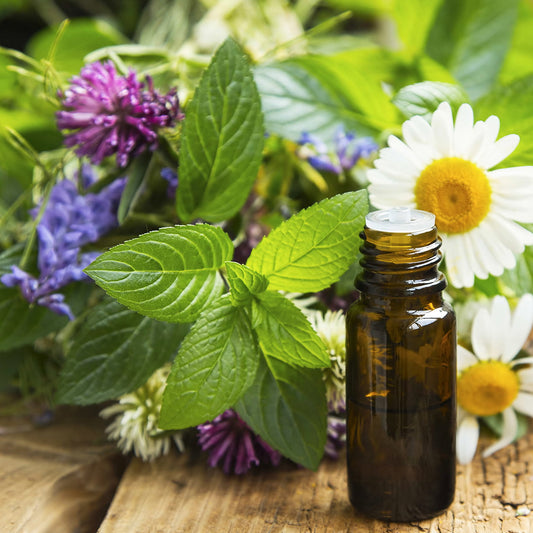
The synergistic composition of essential oils cannot be recreated in a laboratory. Fragrance oils do not offer the natural therapeutic advantages of true essential oils.
Read Post
Dry shampoo recalls raised new questions about the ingredients used in many products. This article explains what caused the recalls and why dry shampoos—especially aerosol and powder formulas—can vary widely in their ingredients and formulation.
Read Post