
Argan Oil does the trick
"I have been using Argan oil regularly. A little really goes a long way, and it leaves my hair less frazzled looking, and silkier looking."


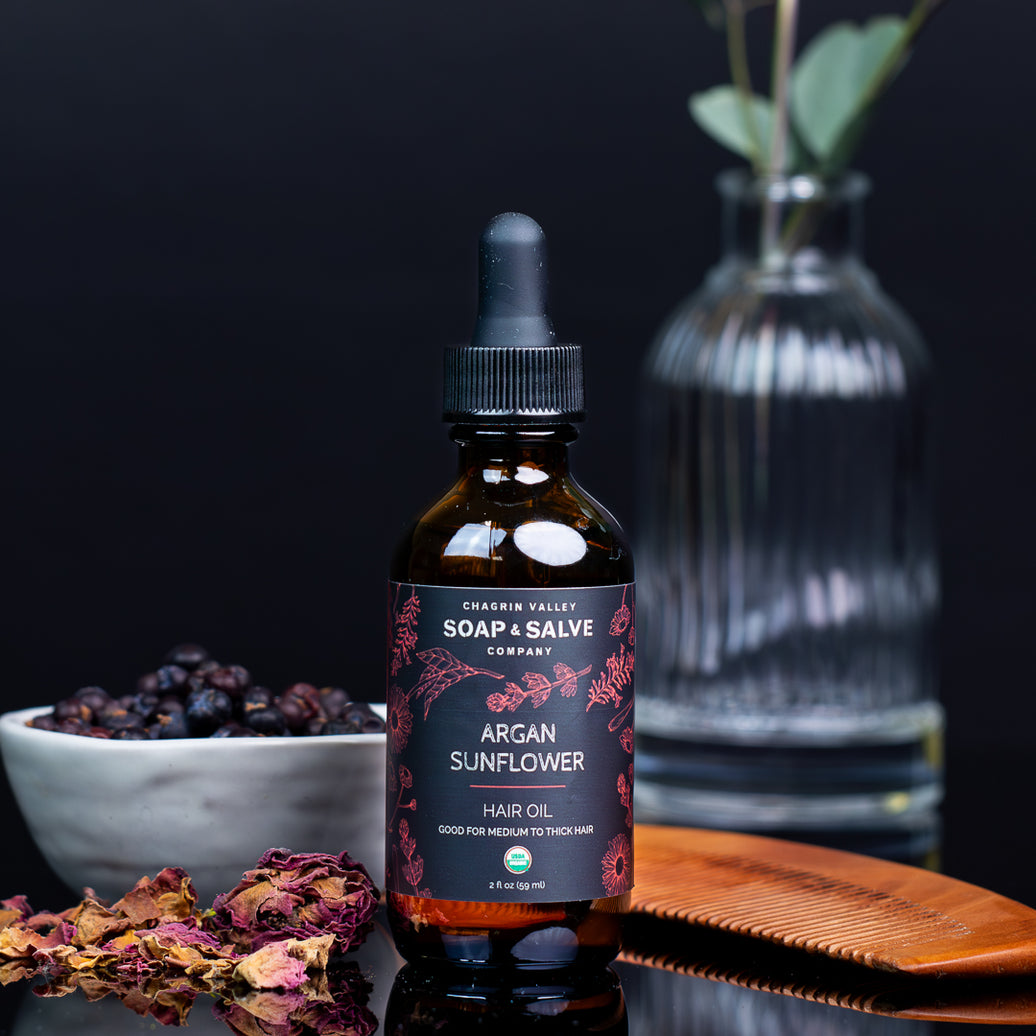
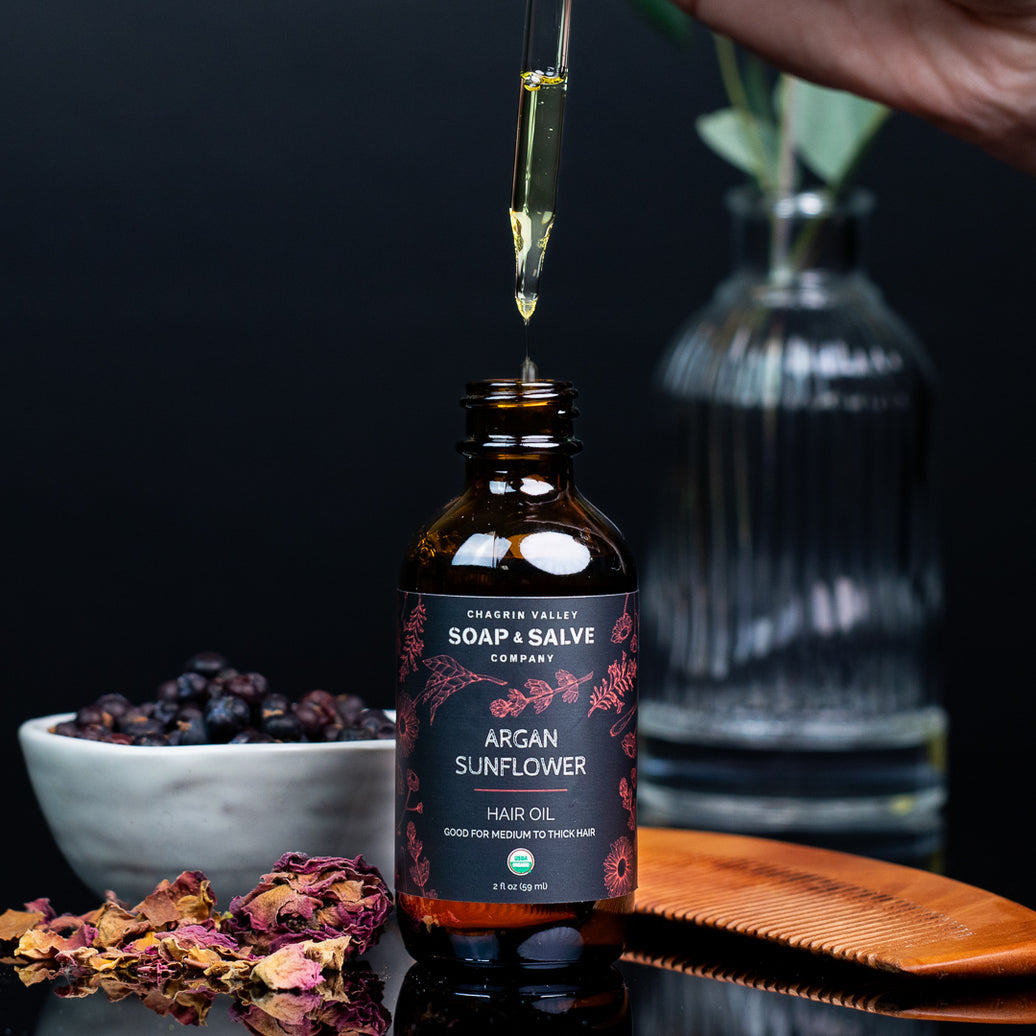
A rich, organic hair oil made with unrefined argan and sunflower oils to soften coarse strands, smooth frizz, and add natural shine. Ideal for medium to thick, textured, or curly hair that craves moisture and manageability.
Satisfaction guaranteed. If you're not happy, we'll make it right.


Good For: All Hair Types, Especially Medium to Thick Coarse or Curly Hair
For centuries, hair‑oiling has been used to soften the hair, protect it from dryness, and keep textured strands feeling supple and manageable. Our Argan Sunflower Hair Oil follows that same tradition with a simple blend of two unrefined, organic oils chosen for their rich, nourishing feel.
Use it as a pre‑wash treatment, a finishing oil for shine, or a nourishing massage oil for the scalp. It’s especially helpful for dry, textured, curly, or heat‑styled hair — but gentle enough for anyone who wants softer, smoother strands.
Argan oil is naturally high in essential fatty acids and plant‑based squalene, giving it a luxurious, conditioning slip that helps smooth frizz and soften coarse or unruly strands. It’s especially loved by medium to thick, curly, coily, or heat‑styled hair for the way it makes the hair feel more manageable while enhancing softness and shine.
Sunflower oil is lightweight yet deeply moisturizing, helping the hair feel smoother and more flexible. Its natural emollients support a comfortable scalp and help dry or damaged strands feel replenished.
Together, these two oils create a rich, silky blend that absorbs beautifully, adds shine without heaviness, and brings softness and control back to hair that needs extra moisture.
A rich, organic blend that softens and smooths the hair, nourishes the scalp, tames frizz, and brings back the kind of natural shine and manageability that only pure, unrefined oils can provide.
Smooth feel. Soft control. Naturally radiant shine.
Packaged in a 1 oz recyclable glass bottle with a glass pipette.
👉 Learn More: For detailed techniques and guidance for different hair types, visit our Hair Oil FAQ & Application Guide.

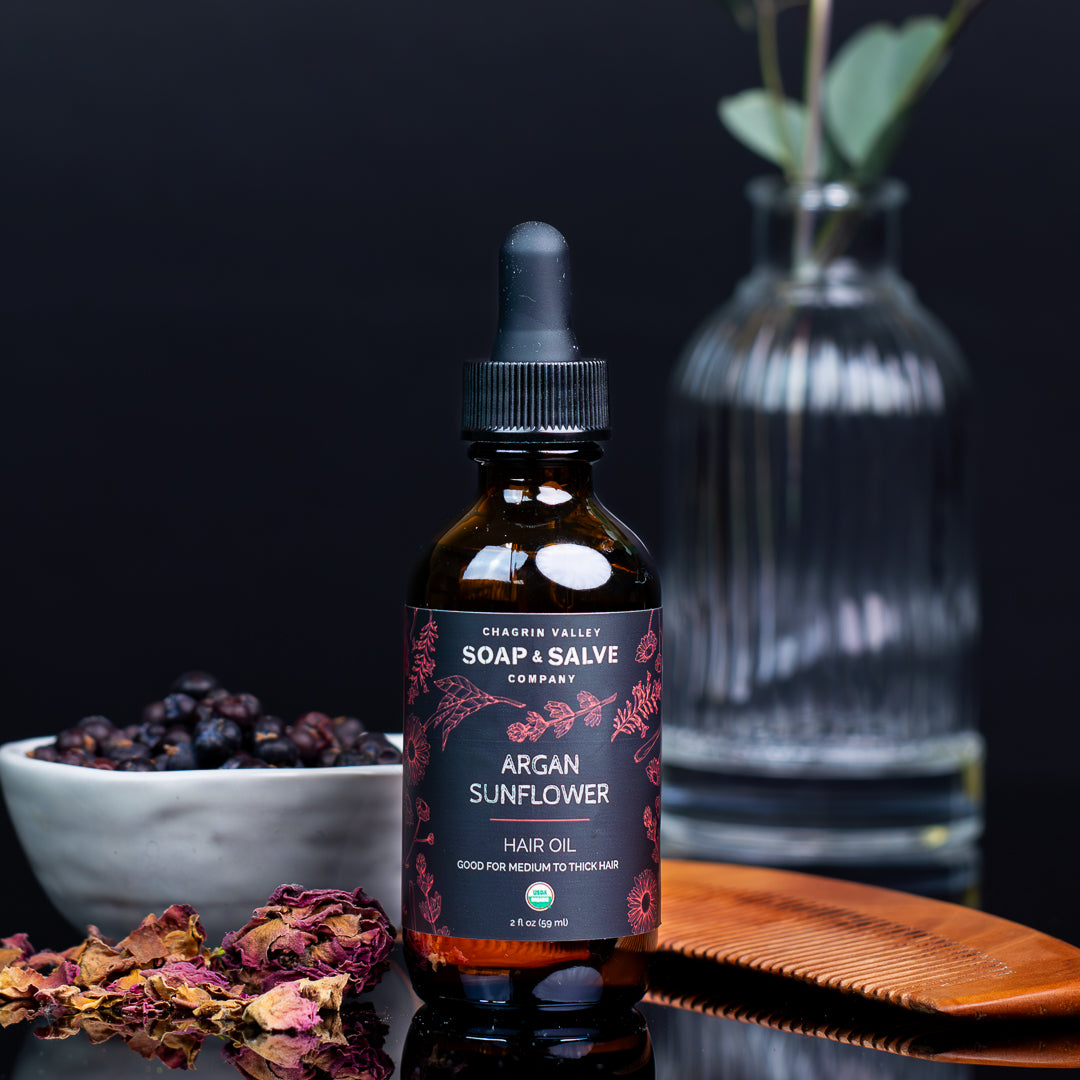
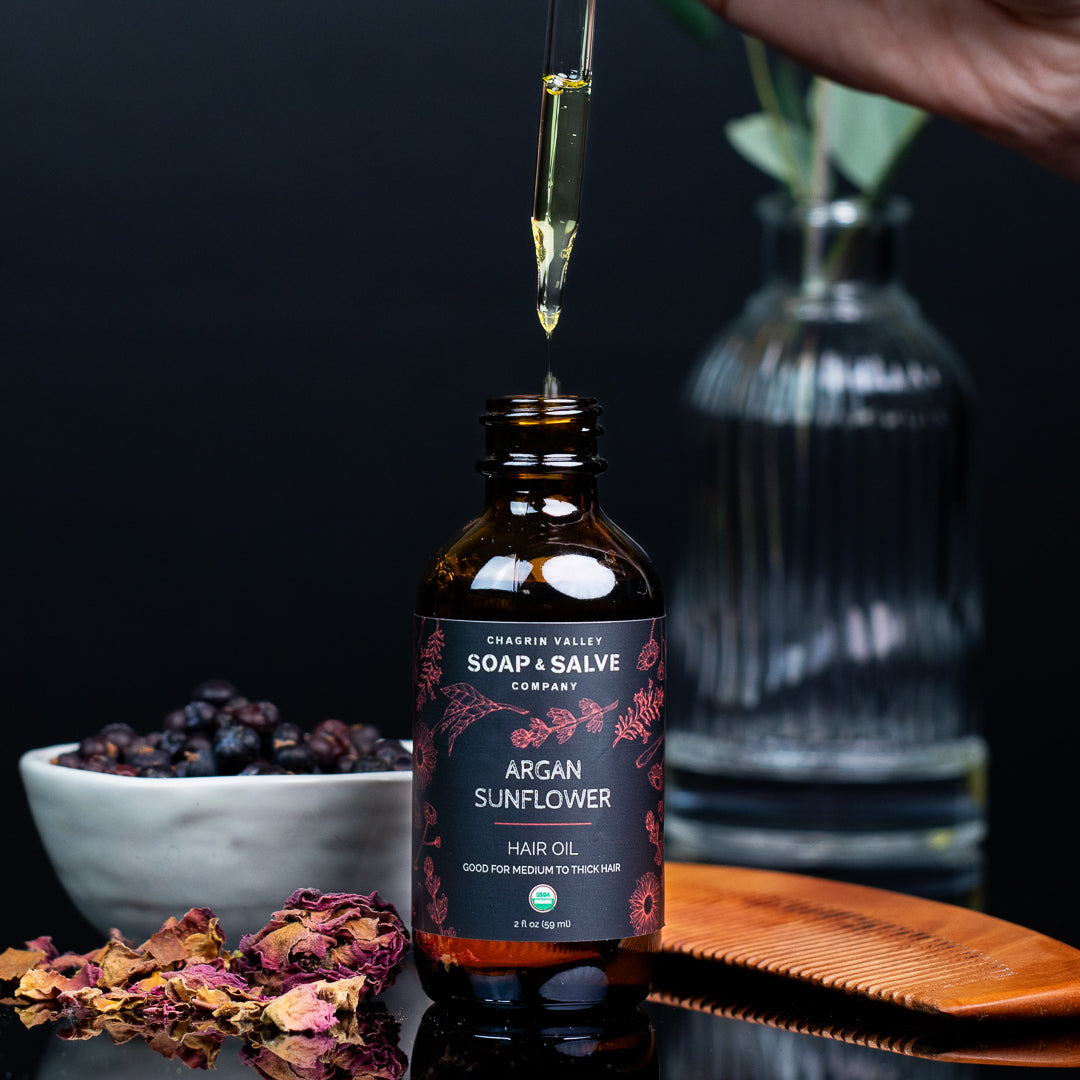
The goal is simple: to Harness the Power & Simplicity of Nature® to cleanse, soothe, heal, and protect your skin and hair!
Our unique formulas rely on moisturizing oils and butters, healing botanicals, and pure essential oils. We choose every ingredient with one end-result in mind….the BEST possible natural skin care for YOU!
 Organic Argan Oil
 Organic Sunflower Oil
We use unrefined oils that have not been bleached or deodorized. These oils retain their natural scent, color, and nutritional benefits.
Overall rating: 4.732143 / 5 from 56 reviews.
Customers have mixed opinions on the smell of this organic hair oil, but many praise its effectiveness in taming frizzy hair and promoting healthier, smoother hair. It is considered one of the best hair oils by a substantial number of users.
Review topics: ["size","fragrance","feels","smells","looks","oil","hair","works","scalp","amount","ingredients","frizz","moisturizer","conditioner","soap","hands","drops","strands"].
"I have been using Argan oil regularly. A little really goes a long way, and it leaves my hair less frazzled looking, and silkier looking."
— Aluca L. (5/5)
"The Argan Sunflower oil works wonders on my hair. A small amount provides enough moisture to tame fly-aways and fight dryness."
— Linda M. (5/5)
"I am familiar with hair oil, but this blows all the other kinds I've used out of the water. I like the glass bottle and pipette that this oil comes in. I wash my hair with their shampoo bars and apply 2 drops of this to the nape of my neck where I have two whorls in my hair that make the underside hairs super curly and split really easily, then about 8 more drops that I scrunch into the ends and middle of my hair. You absolutely cannot use more or when your hair dries, you will be annoyed that you did as it really makes the hair heavy. I have 2b hair, so this amount of oil is perfect for me. It's certainly a learning curve, but it's worth the outcome of silky smooth hair. I have issues with brittle ends and fly aways as my job keeps me in the elements. This oil helps my hair feel moisturized without conditioner (though I just started using the hair balm and love that too! Just not at the same time as using this oil) and is a quick and easy process to apply it! This should last a seriously long time. *To update my review from 3/30/26 and it’s now 6/26/26, I’ve started using this as a conditioner while in the shower. I wash my hair with a shampoo bar, then apply 4 full pipettes of oil through my hair and use my shower comb to distribute it more evenly, use a claw clip to keep it on top of my head while I do the rest of my shower which is about 10 minutes, then rinse as much of the oil as I can with water and use the butter bar conditioner bar to wash the rest out. While rising the butter bar conditioner out, it never feels like my hair has absorbed any of the oil, but as my hair dries out of the shower, it becomes increasingly obvious that my hair loves this oil. I do this conditioning process about 1x a week, and I’m half way through a bottle. It also does NOT make my hair oiler faster. I wish this came in bigger bottles, but I love the freshness of the product and how well it works. It eliminated regular conditioner for me. Picture with banana for those like me who cannot determine size based on fluid ounces."
— Abigail (5/5)
"This hair is great. I was using just an argan oil but this seems to better with the addition of sunflower oil."
— Carrie C. (5/5)
"Smells wonderful , makes my hear look fabulous"
— Rae (5/5)
"So far so good!"
— Alice S. (5/5)
"I have used the argan oil and leaves my hair feeling light, moisturized and not weighed down. The hair shampoo bars lay my hair down and my waves are progressing faster."
— Desham A. (5/5)
"This is my go to hair oil. It's helped with my frizzy ends and has overall helped the dryness of my hair."
— Regen Q. (5/5)
"I have tried several different natural and organic hair oils to moisturize my hair and especially my grey hair. I have a chemical sensitivity so the other hair oils didn't settle well. This hair oil is light and effective. It smells amazing! I highly recommend."
— Yvonne F. (5/5)
"A+"
— Wanda R. (5/5)
In my youth, I had pin-straight hair and was envious of friends with wavy and curly hair. But those friends were jealous of my straight hair! Whether your hair type is straight, wavy, curly, coily, or somewhere in between, your locks are beautiful.
In the same way that understanding your skin type is important for creating an effective skincare routine, determining your hair type can play a huge role in helping you to reach your hair goals.
Hair type has 4 major categories: straight hair (type 1), wavy hair (type 2), curly hair (type 3), and coily hair (type 4). These 4 types of hair are further categorized into A, B, and C subtypes creating 12 total categories.

The best way to determine your hair type is to see your hair in its natural state. By simply looking at your hair you can recognize some obvious characteristics. The next time you wash your hair, allow it to air-dry without any styling or hair products. This will help you to define the natural shape or pattern (texture) of your hair. For example:
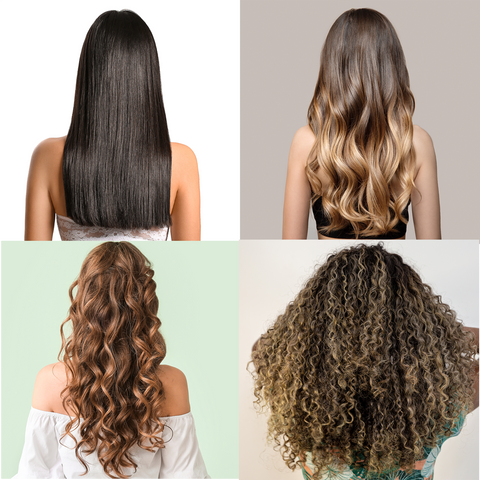
It is important to remember that most people do not have just one type of hair. They often have two different hair textures on various parts of their head.
Each of these hair textures will need special care and attention to enhance its natural best characteristics. Also, even though two people share the same natural wave, it does not mean they possess the same exact hair type. You are unique!
The terms "thick hair" and "thin hair " can be confusing. You can have dense fine hair — meaning lots of thin strands packed together — or coarse hair that’s sparse — fewer thick strands spread farther apart.
The texture of your hair is determined by the thickness or diameter of an individual hair strand. There are 3 basic categories:
To determine your hair texture, use a single strand of hair and compare it to the size of a piece of typical sewing thread.
Thin hair does not style very easily. Medium hair is relatively easy to style and can hold curls for a longer time period. Thicker strands are very easy to curl, but because they are less pliable, they can be difficult to style or hold their shape.
Texture is what determines how your hair feels between your fingers and how it responds to moisture and styling.
Hair density is the number of hair strands per square inch of your scalp.
Density affects how hair looks overall, how hair will react to certain products, and how well it will hold different hairstyles. People with low-density hair often do better with lightweight products, while high-density hair may need richer formulas to coat every strand.
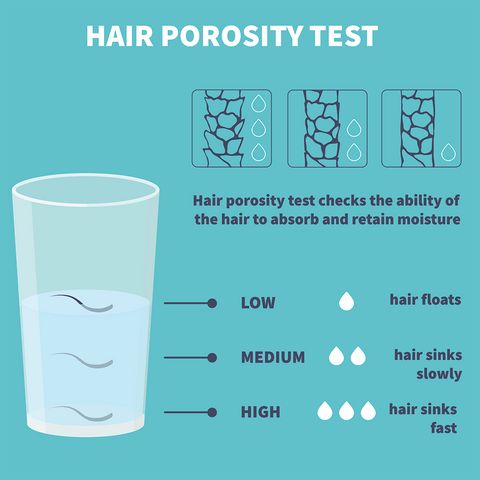
Porosity refers to your hair’s ability to absorb moisture as well as hair products. You can easily determine the porosity of your hair with a simple experiment.
It seems like hair with high porosity would be well hydrated all the time since it can easily absorb moisture easily. However, due to the gap areas around the cuticle, the hair also loses moisture very easily, which can result in hair that is dry, brittle, frizzy, and prone to breakage.
On the other hand, that flattened cuticles of hair with a low porosity actually blocks moisture from being absorbed into the strands. Since hair care products are not readily absorbed, product buildup on hair strands is often a problem. Hair care products should be applied sparingly while hair is still damp so product is more easily absorbed and distributed.
To keep your hair healthy and nourished, it is important to develop a haircare routine that includes proper hydration. Knowing your hair type is crucial, as it helps you choose the right products for straight, wavy, curly, or coily/kinky hair.
The most important consideration in any business is its customers. Today's world of misleading claims, false advertising, and simple deception, often leaves consumers trying to discover the truth about personal products and their ingredients.
Some of my favorite products are made with ingredients that just do not exist as certified organic. Why? At this time there are no standards created for ingredients specifically used in the personal care product industry. Organic certification of personal care products is based on the organic food standards set by the National Organic Program of the USDA.
But since we are a certified organic company, we are required to submit documentation that even our "non-organic ingredients" were produced without the use of toxic pesticides, genetically modified organisms (GMOs), sewage sludge, or irradiation.
Certified Organic Education Series
Explore related articles to learn more.
Chagrin Valley Soap & Salve has been Leaping Bunny Certified since 2013.
 The Leaping Bunny Program was developed in 1996, by The Coalition for Consumer Information on Cosmetics (CCIC), to identify and support companies that are doing their part to help eliminate the unnecessary use and mistreatment of animals to test cosmetic products and ingredients. The CCIC is made up of eight animal protection groups including the Humane Society of the U.S., as well as groups from Canada and Europe.
At Chagrin Valley we do not test our finished products on animals (other than human volunteers). But what about the raw materials, the ingredients we use?
Many products display labels claiming that their finished product is ‘not tested on animals’ but this does not guarantee that the product ingredients are actually free from animal testing.
The CCIC Standard is a pledge that a company makes to remove animal testing from all stages of product development. Our pledge to buy ingredients that are cruelty-free is integrated into the purchase agreement for all of our suppliers.
Personal care products displaying the “real” Leaping Bunny logo are certified ‘cruelty-free' using the internationally recognized Humane Cosmetics Standards. These rigorous standards require that no animal testing is performed or authorized for finished products or any of the ingredients in any stage of product development by the company, its laboratories or its suppliers after a fixed cut-off date. All Leaping Bunny companies are subject to independent audits and pledge commitments that are renewed on an annual basis.
This annual renewal is a key requirement that sets the Leaping Bunny Program apart from other cruelty-free certification programs. Companies that manufacture products, as well as their ingredient suppliers, must annually recommit to upholding their promise to not conduct animal testing on any finished products, ingredients, or formulations.
Why is this annual commitment renewal important? "Because product formulations change, suppliers come and go, and manufacturers develop innovative lines to meet consumer needs. But we know that compassionate consumers need to be confident that no animal testing is involved in the products they use."
At Chagrin Valley Soap & Salve . . .
The Leaping Bunny Program provides
the best assurance to consumers
that they are making compassionate shopping choices
by purchasing Cruelty-Free skin care!
The wholesome goodness of our handcrafted soap is available for your hair.
Shampoo bars are an all natural conditioning shampoo in a solid bar form. Yes, this is real shampoo in a solid bar. Shampoo bars are not a new idea.
They were commonly used before liquid detergent shampoos and conditions were invented in the 1940s.
Although the process for making a shampoo bar is the same as making soap, our shampoo bar "recipes" are specially formulated with natural plant oils, butters, botanicals and essential oils that nourish your hair and scalp.
Our shampoo bars contain no artificial fragrance, color, preservatives, detergents, alcohol, urea, formaldehyde, sodium lauryl sulfate, DEA, propylene glycol - or any of the other synthetic hair care additives.
Each of our shampoo bar selections contains a different blend of natural plant oils, essential oils, and herb infused oils. No two recipes are the same.
Click here for help choosing an all natural shampoo bar!
Please read "Everything About Shampoo Bars!"


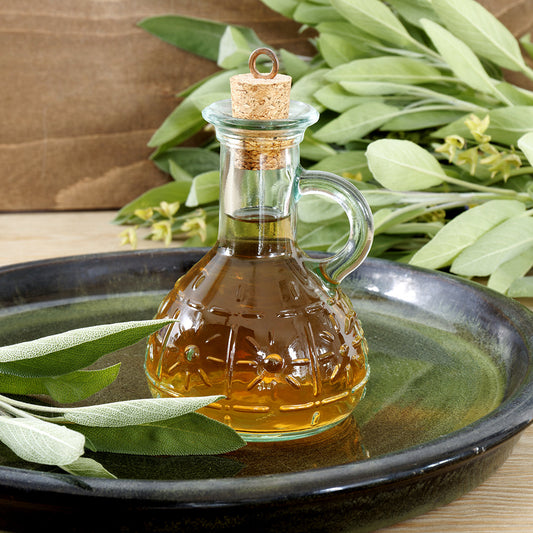
Raw apple cider vinegar (ACV) can help with tangles, bring back body and shine, clarify residue, stimulate the scalp, decrease dandruff, and unclog hair follicles to help with excess shedding.
Read Post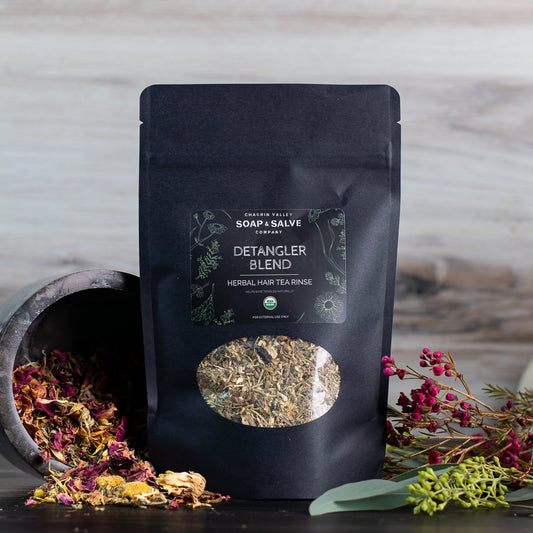
Chagrin Valley Detangler Rinse is an herbal rinse made with specially selected organic herbs and botanicals that help decrease tangles naturally and without hair damage or buildup.
Read Post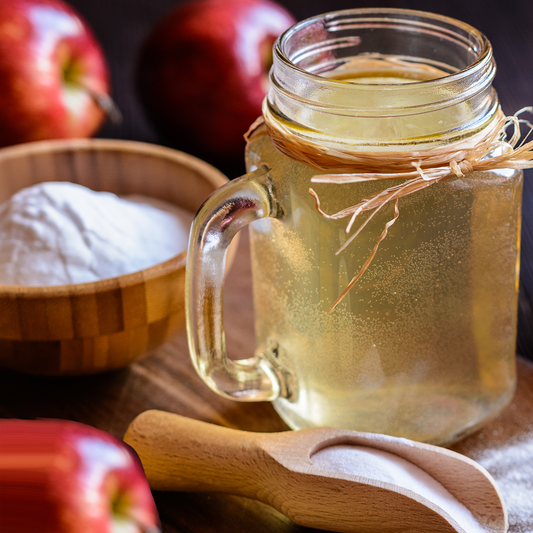
Try these Natural Remedies for hair and scalp build-up.
Read Post