Are Chagrin Valley Natural Soaps and Shampoo Bars Biodegradable?
Yes, they are!
Chagrin Valley natural soap and shampoo bars are made with natural and organic ingredients and are biodegradable when used properly.
They’re thoughtfully crafted to break down naturally in the environment, which makes them a responsible choice for everyday use and for outdoor adventures when used with care.
What Does “Biodegradable” Mean?
By definition, biodegradable means capable of being broken down by living organisms, such as naturally occurring bacteria, into simpler substances that are not harmful to the environment.
Natural soap made with plant oils, butters, and clays can biodegrade efficiently — but where and how it’s used matters.
A Note for Campers and Backpackers About Biodegradable Soap
Bringing a biodegradable soap on a camping or backpacking trip is a wonderful way to stay comfortable and refreshed outdoors. However, even biodegradable soap should never be used directly in lakes, rivers, or streams.

You may see claims online suggesting that biodegradable soap or shampoo is safe to use directly in rivers and streams.
While these claims are often made with good intentions, they overlook an important part of how biodegradation actually works.
Here’s why:
The bacteria responsible for breaking down natural soap live primarily in soil, not water.
That means soap — even biodegradable soap — breaks down most effectively when it comes into contact with organic soil, not freshwater sources.
Even biodegradable soap will pollute lakes and streams if it is not used properly.
So while our soaps are biodegradable, they are designed for mindful outdoor use, not for bathing, washing dishes, or cleansing directly in natural water sources.
How to Use Biodegradable Soap Responsibly Outdoors
A few simple practices help protect waterways and support natural breakdown:
- Carry water at least 200 feet away from lakes, rivers, and streams before using soap.
- Use soap sparingly — a little goes a long way.
-
Always dispose of grey water into the soil, not into a water source.
- Spread grey water over a wide area rather than pouring it all in one spot.
- You can gently scatter small amounts in an arc.
- Or pour the water into a small hole (similar to a cathole) so it can filter through the soil.
These methods help surround the soap with organic matter, speed up decomposition, and reduce runoff.
Is Natural Soap Really Better for Camping?
Yes — when used responsibly.
Many commercial soaps, body washes, shampoos, and dish detergents contain synthetic surfactants, artificial fragrances and colors, and chemical preservatives.
Since these ingredients do not break down quickly, traces can persist in the environment for many, many years and can have a potential negative impact on plants and animals.
A biodegradable natural soap made with plant-based ingredients breaks down more readily when exposed to soil bacteria, making it a far better choice for outdoor use — as long as it’s used thoughtfully and away from waterways.
A Simple Guiding Principle
Biodegradable doesn’t mean anywhere.
It means used with intention and respect for nature.
That philosophy is at the heart of how we make our soaps — and how we encourage them to be used.
There’s no substitute for nature. Together, we can protect it from impacts like overuse, trash, and harming endangered wildlife by following the principles of "Leave No Trace."
View Answer Page


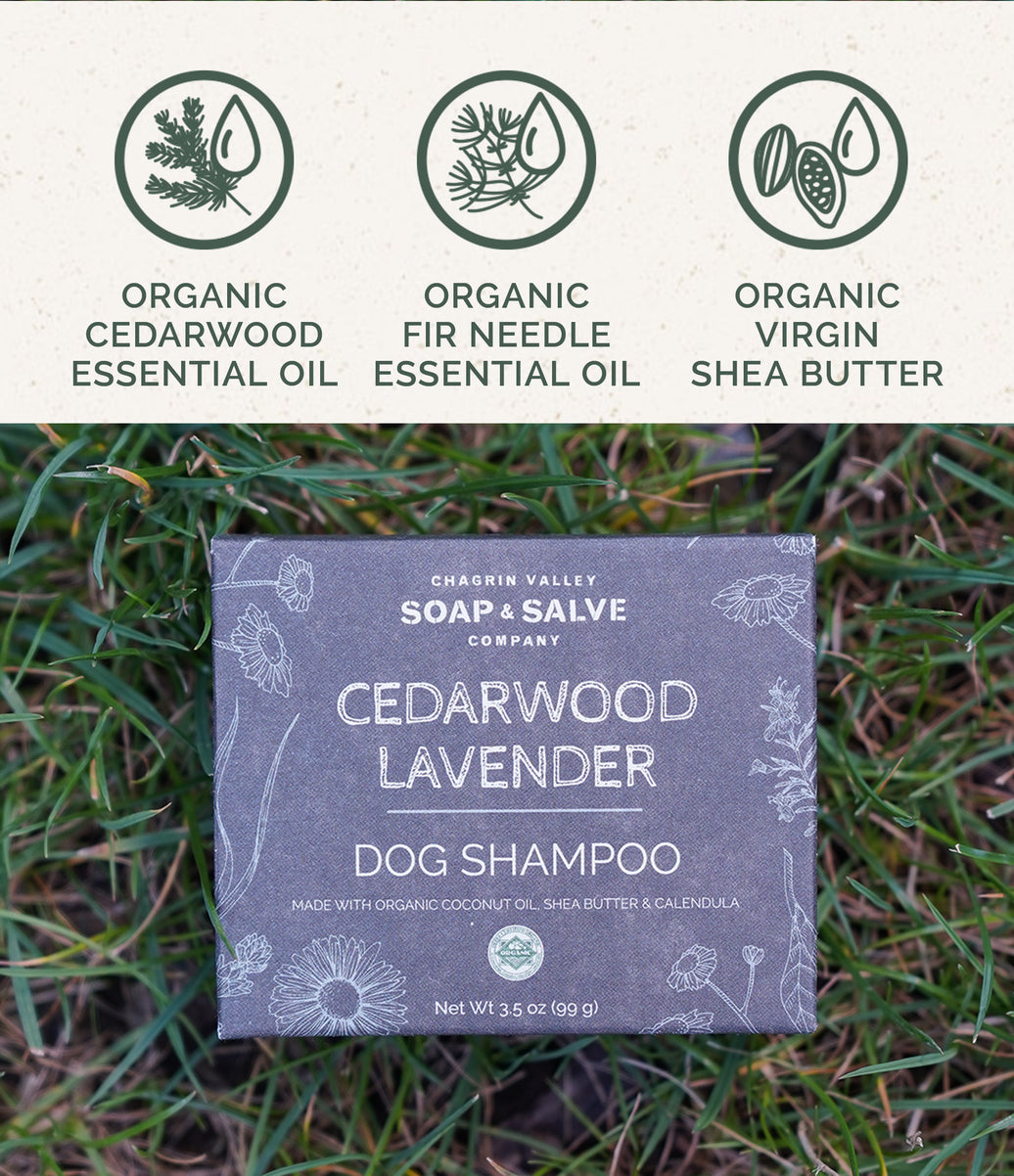


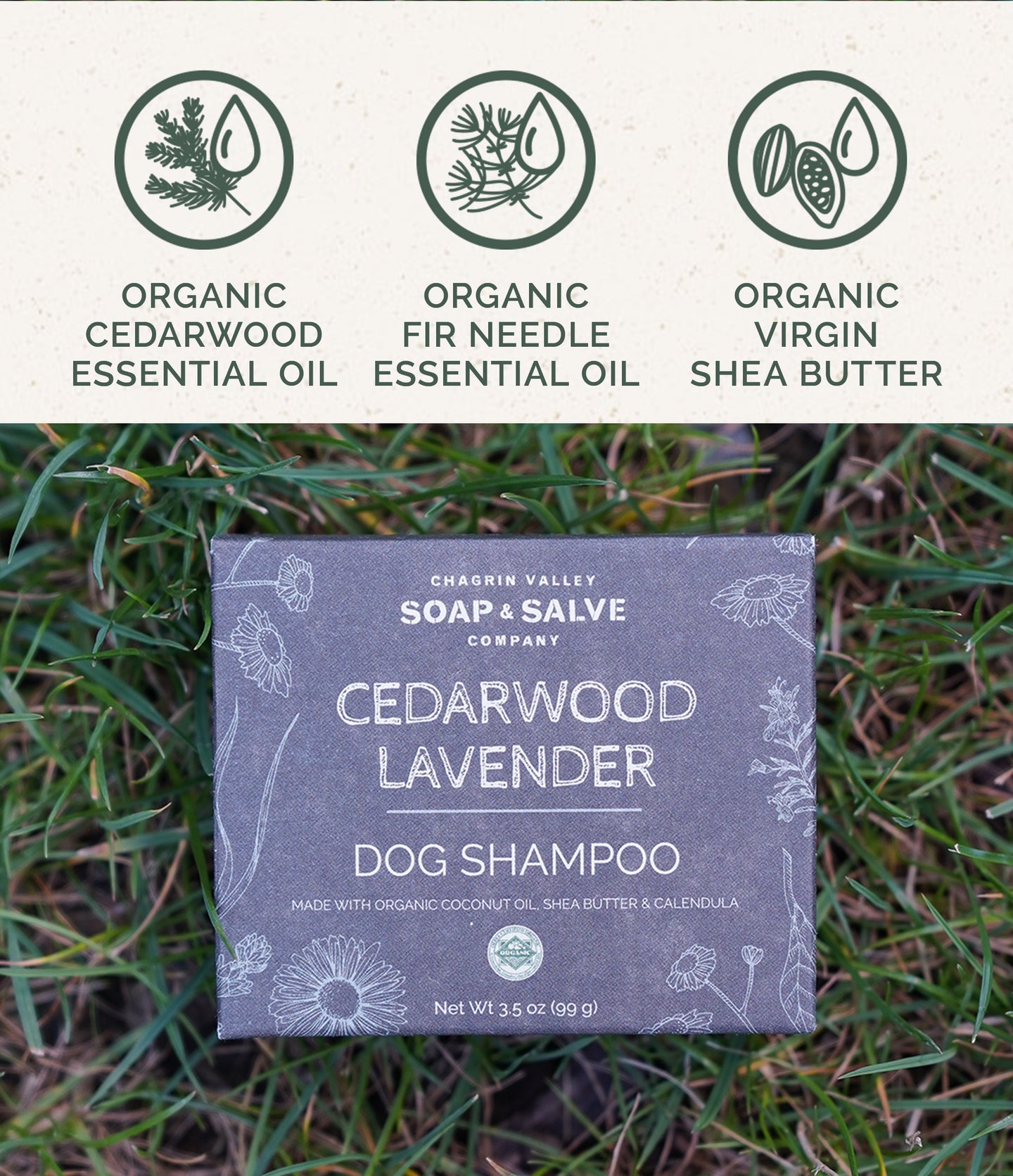
 Organic Cedarwood Essential Oil
 Organic Fir Needle Essential Oil
 Organic Virgin Shea Butter*
 Chagrin Valley is not just another soap and skincare company. We are committed to healthy skin, healthy people, and a healthy planet.

