Natural Camping Hiking Soap
Natural bug repellent soap bar for the outdoors and camping
Soap: Camping & Trail Bar

Natural Soap: Camping & Trail Bar

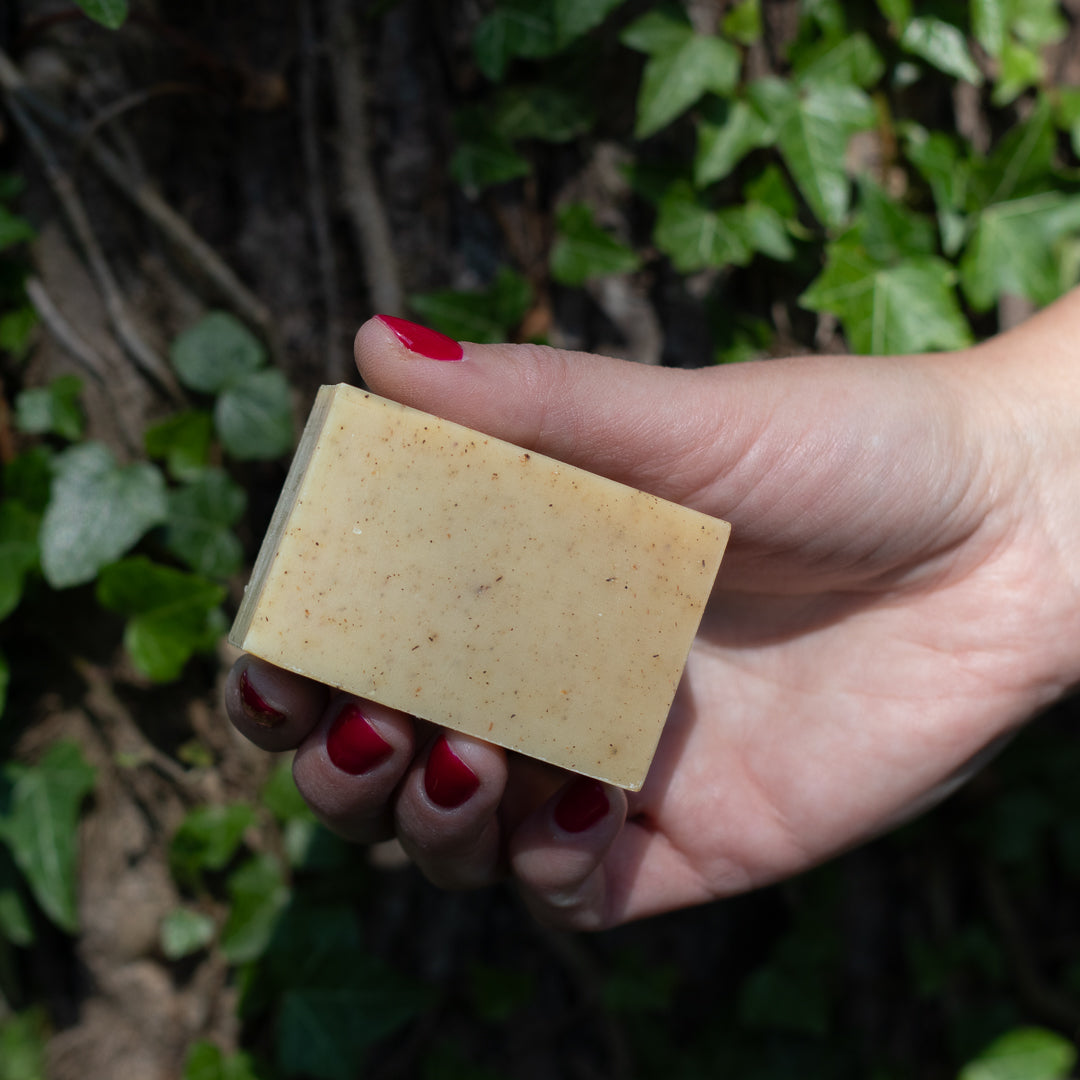
A compact, biodegradable soap designed for life outdoors. Scented with a balanced blend of woodsy essential oils and made with nourishing plant oils, oat flour, and cocoa butter, this gentle bar cleanses comfortably while being mindful of the environment — a practical companion for camping, hiking, and travel.

Size:
$7.95
oeffa
vegan
cruelty-free
certified-sustainable-palm-oil
non-gmo
made-in-the-usa
Product Overview

Camping & Trail Bar was created for people who feel most at home outside. Simple, dependable, and thoughtfully made, it’s a soap you can rely on whether you’re heading into the woods, packing light for a backpacking trip, or just washing up after a long day outdoors.

The lather is creamy and gentle, spreading easily over the skin. Oat flour adds a soft, calming touch, while cocoa butter and plant oils help keep skin feeling comfortable after washing — especially welcome when you’re exposed to sun, wind, and dry air.

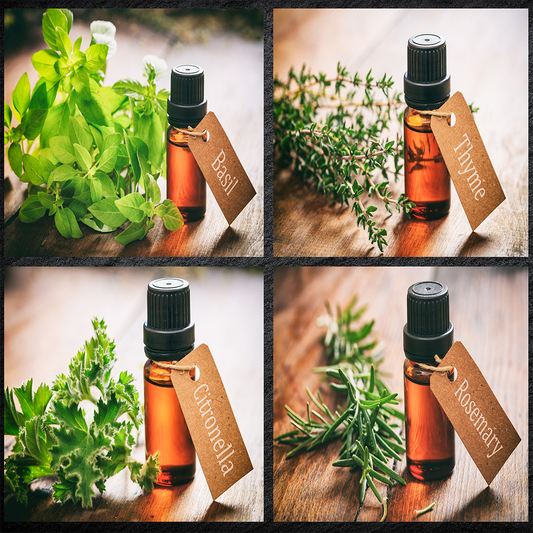
But what truly defines this bar is its aroma. The essential oil blend is the heart of this bar. Bright notes of citronella and lemongrass open the scent with a fresh, clean sharpness, while cedarwood and rosemary bring grounding, woodsy depth. The aroma feels crisp, outdoorsy, and energizing — the kind of scent that belongs around campfires, forest trails, and open air.

Compact and versatile, this bar is easy to pack and designed for mindful use outdoors. When used properly, it’s biodegradable and appropriate for campsite use away from direct water sources, making it a thoughtful choice for those who want to enjoy nature while respecting it.

Ingredients Behind the Feel

Every ingredient in this soap is chosen for a reason. Thoughtfully combined, they work together to create something more purposeful than a basic cleanse — a carefully crafted bar made for life outdoors that goes beyond ordinary soap.

Highlights of this recipe:

Essential Oil Blend — A bold, well-balanced blend of citronella, lemongrass, cedarwood, and rosemary creates a fresh, woodsy aroma that feels clean, bright, and unmistakably outdoorsy — a defining part of what makes this soap feel at home outside.

Oat Flour — Adds a soft, calming touch to the lather, helping make outdoor cleansing more comfortable.

Cocoa Butter — Adds depth and density to the lather, providing a rich, velvety feel and contributing to the bar’s smooth, moisturizing feel on the skin.

Aroma, Texture & Lather Notes
  • Aroma: A complex, invigorating blend of bright lemon eucalyptus, citronella, and lemongrass leads the scent, with cedarwood, herbs, and peppermint adding a warm, grounding finish.
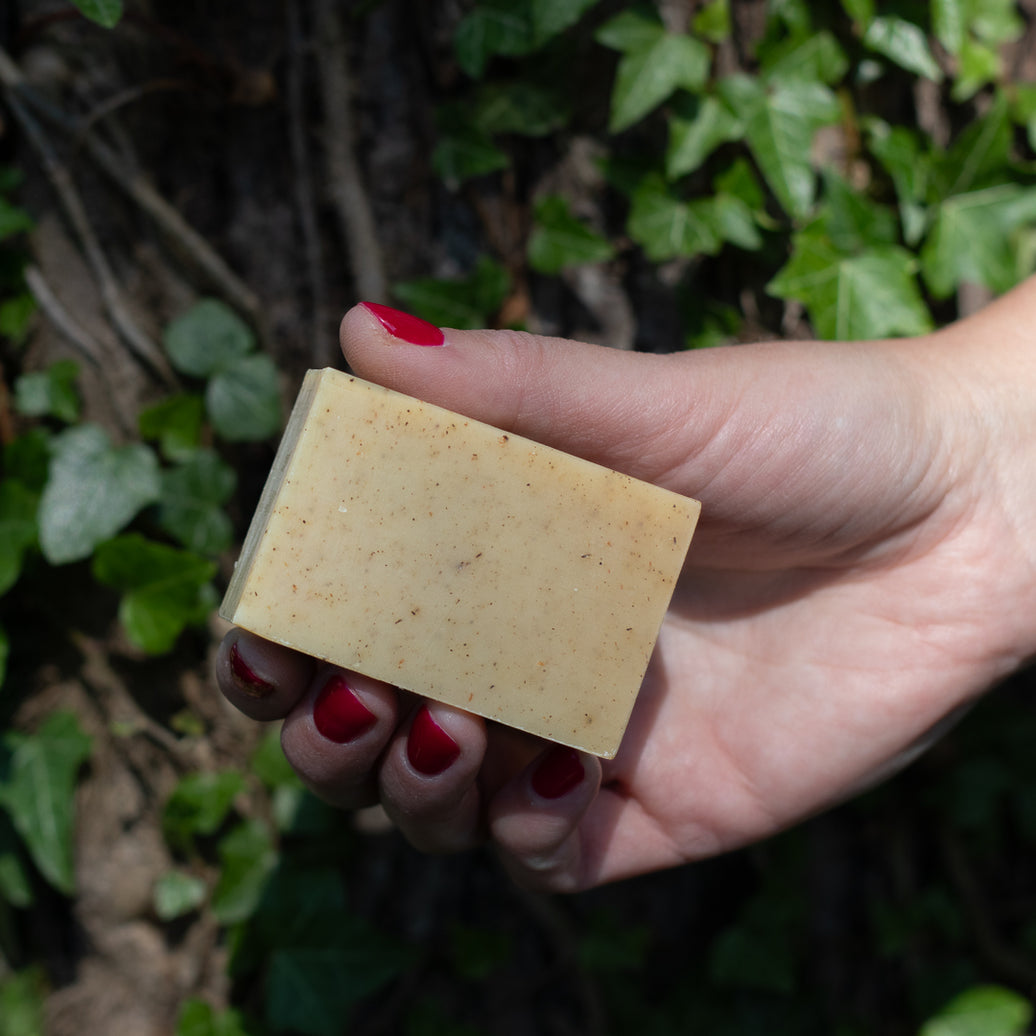
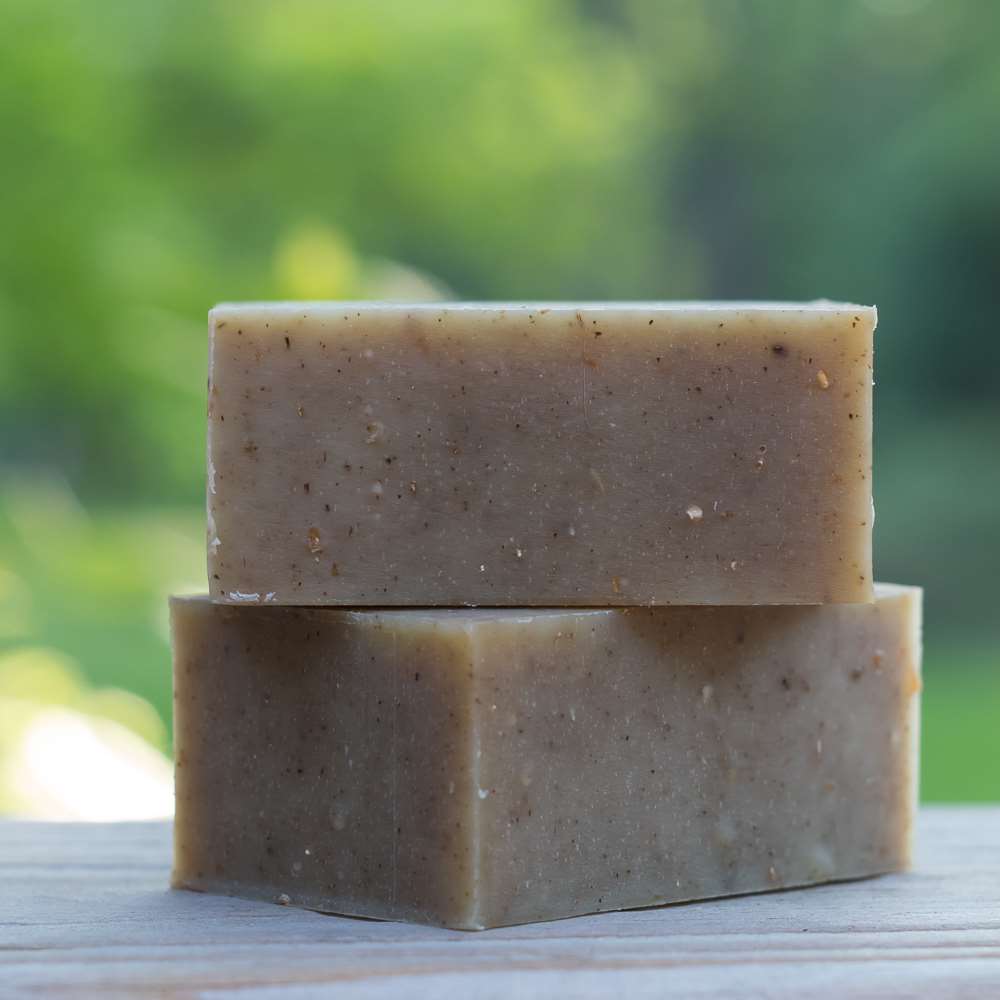
  • Texture: Smooth bar with fine oat flour dispersed throughout. 
  • Lather: Creamy, gentle lather
  • Exfoliation: Very mild — from fine oat flour.

👉 Learn more about our Aroma, Texture & Lather notes

Formulation Notes
  • Compact, travel-friendly bar
  • Biodegradable when used properly (see link below)
  • Generously superfatted for a mild, creamy cleanse
  • Gentle enough for face and body
  • Naturally scented with certified organic essential oils

Fresh lather. Woodsy aroma. A thoughtful soap for life out

👉 Learn More about Biodegradable Soap

How To Use

Camping, Hiking, Gardening, etc:

  • We recommend showering with our camping soap before going outdoors.
  • You may also carry a bar with you and apply to pulse points throughout the day.
  • Your natural body heat will help release the scent blend into the air.
  • You can even use this versatile bar as a shampoo.

Natural Organic Insect Repellent

Poison Ivy: Old-fashioned lye soap has been used for years to help with poison ivy exposure. The rash from poison ivy is due to a naturally occurring oil and invisible oil called urushiol that can be found in every part of the poison ivy plant, from leaves to sap, to stems, to roots. Urushiol is the same substance that causes a rash from poison sumac and poison oak.

Promptly removing the oily resin (urushiol) from poison ivy, oak, or sumac within the first hour or two, ideally within 30 minutes, significantly reduces your chances of getting a rash or lessens its severity, as washing quickly prevents the oil from penetrating the skin. While washing later can still help, timely removal offers the best prevention. 

Use cool water, soap, and the friction of a washcloth, if possible, to thoroughly clean the exposed area.

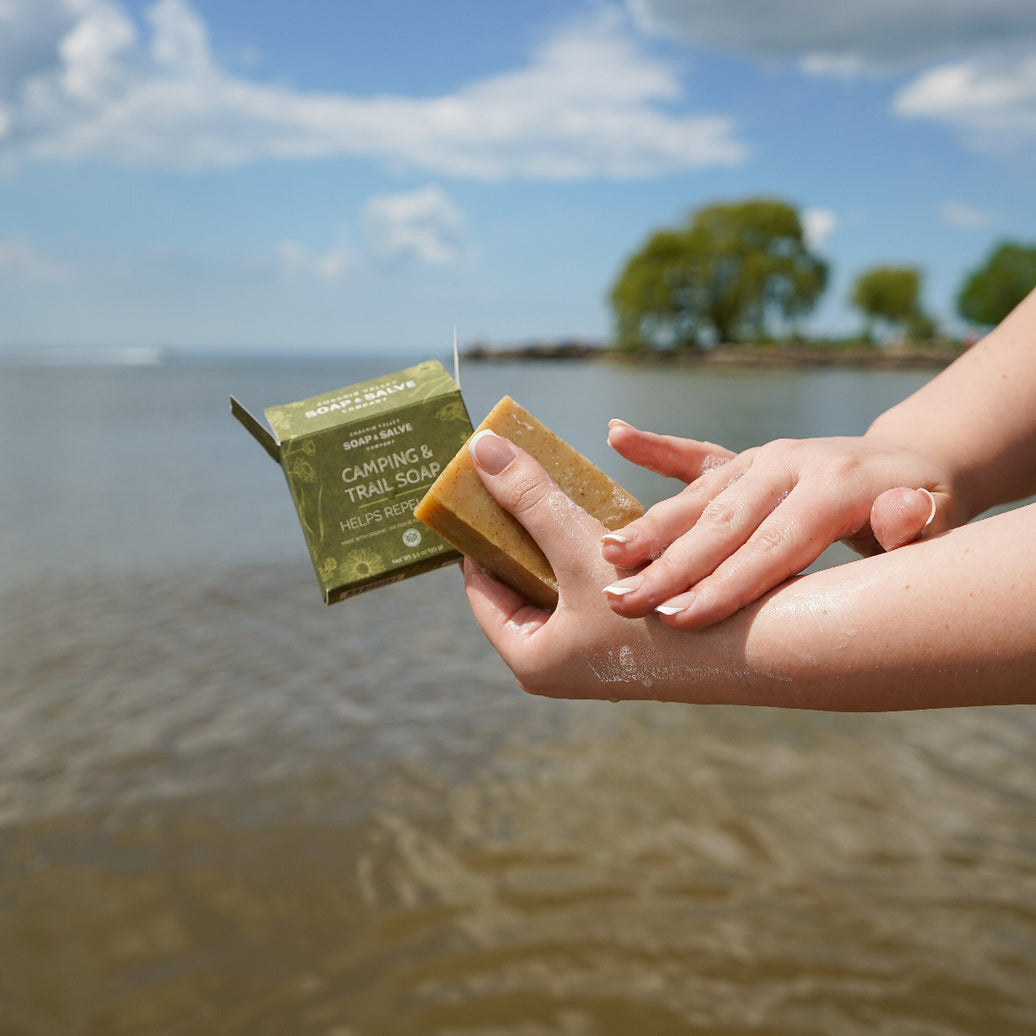
If a water source is not available, sprinkle a few drops of water from your water bottle onto the bar and rub it over the exposed area—just be sure to rinse off the bar so that you do not spread the irritating Urushiol oil of the poison ivy plant.

You can also mash a small amount of the soap with cool water and apply the paste to the exposed area until it can be washed. 

Bring a bar along on your next camping or backpacking trip to use as a body soap, shave soap, and shampoo so the scent will linger in your hair. There are many soap makers out there with good intentions who claim that their biodegradable soap or shampoo is safe to use in rivers and streams. However, even biodegradable soap can eventually pollute lakes and streams if it is not used sparingly.

The bacteria that break down natural soap are present mostly in the soil. That means that when you wash, please be sure that your soapy rinse water ends up in the soil away from freshwater sources like lakes, rivers, and streams.

Learn More Blog: Biodegradable Soap? Are Chagrin Valley Natural Soaps and Shampoo Bars Biodegradable?

There’s no substitute for nature. Together we can protect it from impacts like overuse, trash, and harming endangered wildlife by following the principles of "Leave No Trace."

FAQs

Frequently Asked Questions

Biodegradable Natural Soap?

Are Chagrin Valley Natural Soaps and Shampoo Bars Biodegradable?


Yes, they are!

Chagrin Valley natural soap and shampoo bars are made with natural and organic ingredients and are biodegradable when used properly. 

They’re thoughtfully crafted to break down naturally in the environment, which makes them a responsible choice for everyday use and for outdoor adventures when used with care.

What Does “Biodegradable” Mean?

By definition, biodegradable means capable of being broken down by living organisms, such as naturally occurring bacteria, into simpler substances that are not harmful to the environment.

Natural soap made with plant oils, butters, and clays can biodegrade efficiently — but where and how it’s used matters.

A Note for Campers and Backpackers About Biodegradable Soap

Bringing a biodegradable soap on a camping or backpacking trip is a wonderful way to stay comfortable and refreshed outdoors. However, even biodegradable soap should never be used directly in lakes, rivers, or streams.

Biodegradable Camping Soap

You may see claims online suggesting that biodegradable soap or shampoo is safe to use directly in rivers and streams.

While these claims are often made with good intentions, they overlook an important part of how biodegradation actually works.

Here’s why:

The bacteria responsible for breaking down natural soap live primarily in soil, not water.

That means soap — even biodegradable soap — breaks down most effectively when it comes into contact with organic soil, not freshwater sources.

Even biodegradable soap will pollute lakes and streams if it is not used properly.

So while our soaps are biodegradable, they are designed for mindful outdoor use, not for bathing, washing dishes, or cleansing directly in natural water sources.

How to Use Biodegradable Soap Responsibly Outdoors

A few simple practices help protect waterways and support natural breakdown:

  • Carry water at least 200 feet away from lakes, rivers, and streams before using soap.
  • Use soap sparingly — a little goes a long way.
  • Always dispose of grey water into the soil, not into a water source.
  • Spread grey water over a wide area rather than pouring it all in one spot.
    • You can gently scatter small amounts in an arc.
    • Or pour the water into a small hole (similar to a cathole) so it can filter through the soil. 

These methods help surround the soap with organic matter, speed up decomposition, and reduce runoff.

Is Natural Soap Really Better for Camping?

Yes — when used responsibly.

Many commercial soaps, body washes, shampoos, and dish detergents contain synthetic surfactants, artificial fragrances and colors, and chemical preservatives.

Since these ingredients do not break down quickly, traces can persist in the environment for many, many years and can have a potential negative impact on plants and animals.

A biodegradable natural soap made with plant-based ingredients breaks down more readily when exposed to soil bacteria, making it a far better choice for outdoor use — as long as it’s used thoughtfully and away from waterways.

A Simple Guiding Principle

Biodegradable doesn’t mean anywhere.
It means used with intention and respect for nature.

That philosophy is at the heart of how we make our soaps — and how we encourage them to be used.

There’s no substitute for nature. Together, we can protect it from impacts like overuse, trash, and harming endangered wildlife by following the principles of "Leave No Trace."


View Answer Page
Why Choose Chagrin Valley Natural Soaps

Aren't all handmade natural soaps the same? . . .

The answer is NO!


Natural Organic Sage Mist SoapSaying a soap is "handmade" says nothing about quality of the ingredients or the knowledge and skill of the soapmaker!

Chagrin Valley is not just another soap and skincare company. We are committed to healthy skin, healthy people and a healthy planet.

We are a USDA Certified Organic Company specializing in luxurious, organic, handmade natural soaps and shampoo bars rich in natural glycerin for healthier skin and hair.

It's all about the ingredients! Inspired by our love of nature, we use organic herbs, seeds, flowers, vegetables, fragrant spices, fruits, pure essential oils and purifying clays for their exceptional skincare benefits and to provide natural color, aromatherapy, texture, or gentle exfoliation. Nothing artificial, nothing synthetic, no GMO’s, just natural wholesome ingredients.

Chagrin Valley's Natural Soap & Shampoo Bars Are...

  • all natural
  • made with USDA Certified Organic ingredients
  • handcrafted in small batches using the old-fashioned Cold Process Method
  • made with sustainable and fair trade ingredients
  • certified cruelty-free
  • free of detergents
  • free of synthetic fragrances
  • free of synthetic colors
  • free of artificial preservatives
  • free of artificial foam boosters
  • free of alcohol and petroleum products
  • free of synthetic additives
  • free of GMOs
  • biodegradable
  • mild and nourishing
  • rich in natural glycerin
  • magnificent long-lasting lather
  • cured for 8 to 10 weeks

Our soap making process uses only natural and organic ingredients. Why add artificial ingredients to a handmade product?

View related natural skin care blogs


"Are All Handmade Soaps The Same?"

"12 Reasons to Use Natural Soap"


View Answer Page
Why Does the Smell of Natural Soap and Shampoo Bars Made with Essential Oils Change?

My natural soap bar doesn't smell the same as the last one

We sometimes receive emails that go like this:

  • I just reordered [some soap]. It is my favorite bar but it does not smell the same. Did you change the recipe?

  • This name of this bar is "lavender . . . " but I smell more of the other essential oils than lavender. Why do you call it lavender?

The good news is that when you purchase natural soap from an organic skincare company, it is scented with only pure essential oils.

The bad news is that when you purchase natural soap from an organic skincare company, it is scented with only pure essential oil.

The scent of an essential in any totally natural product can and will change over time and from batch to batch.

Essential Oils are a Natural Ingredient

Essential oils come from nature. The quality and scent of essential oils are affected by yearly weather conditions and varies from crop to crop and region to region.

This makes it very difficult to produce finished products in which the scents are always exactly the same.

Most commercial soaps (and skincare products), even some of the "natural" ones that contain some essential oils, are made with at least some synthetic fragrances oils, nature identical oil, or natural fragrance oil. Using any synthetic fragrance ensures a more consistent scent.

Essential oils are temperamental to work under any circumstance. But while a natural essential oil scent blend may change a bit in a cream or oil, these blends are especially unpredictable when making cold processed natural soap.

After all my years of soap making in never ceases to amaze me just how much the actual soap making process changes the scent of an essential oil blend.

View related natural skin care blogs

Natural Soap and Essential Oils

Why We Use Only Real Plant Essential Oils?

Natural Fragrance Oil? . . . Really?

Why Are Synthetic Fragrance Oils So Popular?


View Answer Page
Don't I need to use antibacterial soap to protect my family from germs?

The Short Answer

NO! Adding antibacterial chemicals to soap does not keep your family safe from germs.

I understand why folks (especially those with children) are choosing products labeled “Antibacterial,” hoping to keep their family safe in the war against germs.

According to Janet Woodcock, M.D., director of the FDA’s Center for Drug Evaluation and Research (CDER).

"Consumers may think antibacterial washes are more effective at preventing the spread of germs, but we have no scientific evidence that they are any better than plain soap and water.

In fact, some data
suggests that antibacterial ingredients may do more harm than good over the long-term.”

Simply washing your hands with old-fashioned natural soap and water rids your skin of most fungi, bacteria, and viruses. Soap does not kill germs, it surrounds them and carries them away.

The Long Answer

Please read our blog: Antibacterials: More Harm Than Good!


View Answer Page
Do Your Natural Soap And Shampoo Bars Have An Expiration Date?

The Short Answer

Yes And No!

Although handmade natural soaps usually get better with age, we recommend using our soaps within 12 months of purchase. Our scented soaps should be used within 3 months after removing them from the box.

Although the soaps will not be "spoiled" after that time, you may notice some changes as natural soap ages.

  • some natural colors may fade over time
  • the scents from pure natural essential oil scents will fade over time


The changes in color and scent happen even more quickly in our sample size bars.

These small natural soap bars have a much greater surface area to volume ratio which allows essential oils to evaporate from the surface more quickly. However, the scent may still be there when you lather up.

I have found some ancient bars hiding in my closet that years old. The scents were gone, but the lather was incredible!


The Long Answer

For a more detailed discussion please read our blog, "The Shelf Life, Color & Scent of an All Natural Soap."


How You Can Help Prolong Shelf-Life

  • Natural soaps need to breathe. Exposure to air promotes hardening of your soap and contributes to longer-lasting quality. Soap should be left unwrapped in their boxes or wrapped with breathable materials. Tight wrappers cause humid conditions by preventing evaporation of moisture.

  • Our soaps are packaged in breathable, recyclable, sustainable packaging! Keep your natural handmade soaps in a dry, cool place away from sunlight, excessive heat and humidity.

  • Our scented soaps, like Lavender Rosemary, can be placed in a muslin bag, old clean sock, or wrapped in a piece of cloth and put in your linen closet or dresser drawer to give a delightful fragrance to your linens and clothes while waiting to be used.

View Answer Page
Is There Lye Your Natural Soap?

Is There Lye In Natural Soap?

Natural Organic Soap Bar Coconut Shea Butter LavenderIf you are asking the question:

Do you use lye (sodium hydroxide) to make Chagrin Valley natural soap?

The answer is -- yes, of course.
No lye -- No soap!
All REAL soap is made with lye (sodium hydroxide mixed with a liquid).

Any skin or hair cleansing product made without sodium hydroxide is not soap, it is a detergent.

If you are asking the question:

Is there lye in a bar of Chagrin Valley Natural Soap or Shampoo?

The answer is "No."


When the chemical reaction of making soap, called saponification, is complete, the lye and oil molecules have combined and chemically changed into soap and glycerin.

If the soap is made properly, the lye is used up in the saponification process to turn oil into soap.

There is no lye present in the finished bars of soap or shampoo. While all real soap must be made with lye, no lye remains in our finished product after saponification (described below).

But, It Doesn't Say "Lye" or "Sodium Hydroxide" on My Soap Bar Ingredients

If it is real soap or contains read soap, it is made with lye!

Some commercial "soap" bars and all handmade soap bars are made with lye even though the words "sodium hydroxide" or "lye" do not appear on the labels. Does your bar of "soap" contain ingredients such as...

  • saponified oils: oils and butters are mixed with sodium hydroxide and a liquid (usually water).
  • sodium cocoate: the generic name for the mixture of coconut oil with sodium hydroxide (lye).
  • sodium palmate: the generic name for the mixture of palm oil with sodium hydroxide (lye).
  • sodium palm kernelate: the generic name for the mixture of palm kernel oil with sodium hydroxide (lye).
  • sodium tallowate: the generic name for the mixture of beef fat (tallow) with sodium hydroxide (lye).
  • sodium olivate: the generic name for the mixture of olive oil with sodium hydroxide (lye).

These words are not usually used to deceive consumers. But soap makers know that consumers are afraid of the word "lye."

At Chagrin Valley we believe that today's consumers are pretty savvy and the best practice is to educate.

View related natural skin care blogs

"Is There Lye in Natural Soap? Won't it Harm My Skin? Information about lye and the chemistry of soap making

"How We Make Soap"


View Answer Page

Recently Viewed Products